For more than two years, Joe Lipsett has dissected Amityville Horror films to explore how the “franchise” has evolved in increasingly ludicrous directions. This is “The Amityville IP.” I have no recollection of The Unspoken. Canadian writer/director Sheldon Wilson’s film apparently played at Fright Fest in 2015 before getting a day and date theatrical/VOD release […]
For more than two years, Joe Lipsett has dissected Amityville Horror films to explore how the “franchise” has evolved in increasingly ludicrous directions. This is “The Amityville IP.”
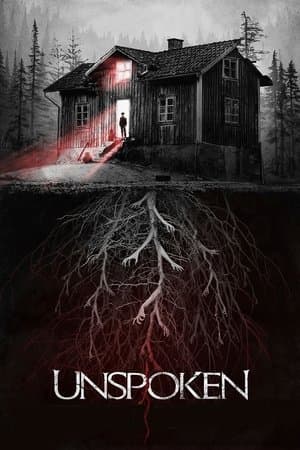
I have no recollection of The Unspoken. Canadian writer/director Sheldon Wilson’s film apparently played at Fright Fest in 2015 before getting a day and date theatrical/VOD release in October 2016, followed by a DVD release from Anchor Bay that December.
Reviews were middling (9% Rotten, albeit based on only 11 reviews) with most critics decrying the film’s reliance on ghostly figures and jump scares, lamenting its lack of scariness (an extremely subjective criticism) and protesting its “complicated” story.
So why is the film a topic of conversation for this editorial? Because The Unspoken is a secret Amityville prequel.
Okay, yes, it’s literally only revealed in the film’s closing scene when the film’s antagonists, single mom Jeanie (Pascale Hutton) and her mute son Adrian (Sunny Suljic in his film debut), pause in front of the Amityville sign. But it’s also part of a larger third act twist that reveals that Jeanie and Adrian are otherworldly beings with telekinetic abilities and that their kind are responsible for Earth’s haunted houses.
Depending on your appetite for dangling propositions, this revelation is either tantalizing or frustrating. Because Wilson essentially ends the film on this note, The Unspoken fails to unpack or explore the idea in any detail. It does, however, work reasonably well as an answer for both the events of the film and, more broadly speaking, every haunted house film, including all of those contained within the Amityville “franchise.”
In fact, The Unspoken actively incorporates most of the common haunted house tropes throughout its runtime (a fact that clearly contributed to accusations of boring familiarity by critics). Doors and cupboards open and close by themselves; there’s a recurring bit with a sentient marble that closely resembles moments from 2013’s ; and folks have a nasty habit of being attacked by an unseen force.
![2015’s ‘The Unspoken’ Has a Secret ‘Amityville’ Connection [The Amityville IP]](https://bloody-disgusting.com/wp-content/uploads/2025/03/The-Unspoken.jpg)