The prevalence of zombies as faceless canon-fodder in genre media can mostly be explained by how much easier it is to convincingly depict a walking corpse than other classic monsters like aliens and werewolves. However, the overabundance of undead antagonists in fiction might also have something to do with the morbid catharsis that comes with […]
The prevalence of zombies as faceless canon-fodder in genre media can mostly be explained by how much easier it is to convincingly depict a walking corpse than other classic monsters like aliens and werewolves. However, the overabundance of undead antagonists in fiction might also have something to do with the morbid catharsis that comes with observing the death of something that looks human without experiencing any of the guilt associated with witnessing (or in the case of video games, committing) actual homicide.
Of course, the very best stories in the zombie genre tend to be the ones that remind us that the undead used to be real people, and if there’s master of this horrific craft, it has to be the creator of the modern zombie film himself, the late, great George A. Romero.
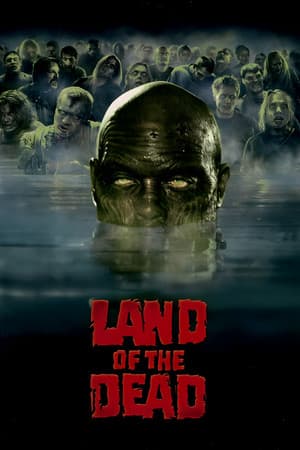
After all, despite countless attempts at creating movies, books and games inspired by the filmmakers’ work, no one has ever quite managed to balance both the horror and humanity of the living dead quite as skillfully as Romero did. A perfect example of this is the character of Big Daddy from Land of the Dead, a terrifying presence that also happened to be a walking embodiment of all the recurring themes present in the director’s extensive filmography. And with the film celebrating its 20th anniversary this year, I think this is the perfect time to look back on what I believe to be the single greatest zombie in all of fiction.
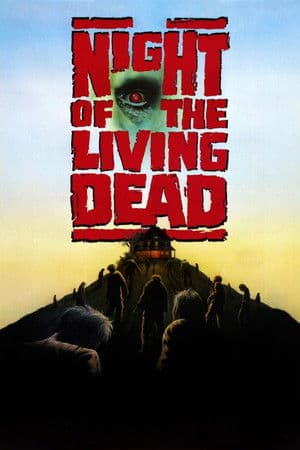
Of course, to really be able to understand why Big Daddy is such an important part of Romero’s mythology, we need to go back to the stories that originally inspired the filmmaker’s lifelong fascination with the living dead. And while Victor Halperin’s White Zombie and the beliefs associated with it almost certainly informed the re-animated flesh-eaters of Night of the Living Dead, it was Richard Matheson’s I Am Legend and its first two adaptations that influenced Romero’s work the most.
If you’re only familiar the 2007 adaptation of the novel (which came full circle by lifting more ideas from Romero than from its source material), Matheson’s 1954 parable tells the story of a vampiric outbreak that wipes out nearly all of humanity in the then-future of the 1970s. Our protagonist Robert Neville is a lonely everyman that spends his days hunting down vampires and researching a possible cure for the bacteria-borne infection. After quite a few horrific twists and turns, Robert eventually realizes that not all vampires are undead monsters and he’s actually been murdering and experimenting on conscious beings with complex emotions and loving families. This is where the story’s title comes from, as this fledgling society views the lone human as a monstrous creature of myth that stalks their kind from the shadows.