There’s a famous incident where television host James Lipton shocked Steven Spielberg by suggesting that the musical communication in the director’s 1977 classic Close Encounters of the Third Kind was actually a reference to Spielberg’s father having been a computer scientist attempting to reach out to his concert pianist wife. Flabbergasted, Spielberg thanked Lipton for […]
There’s a famous incident where television host James Lipton shocked Steven Spielberg by suggesting that the musical communication in the director’s 1977 classic Close Encounters of the Third Kind was actually a reference to Spielberg’s father having been a computer scientist attempting to reach out to his concert pianist wife. Flabbergasted, Spielberg thanked Lipton for this incredibly personal insight after revealing that he only realized the connection once it was pointed out to him.
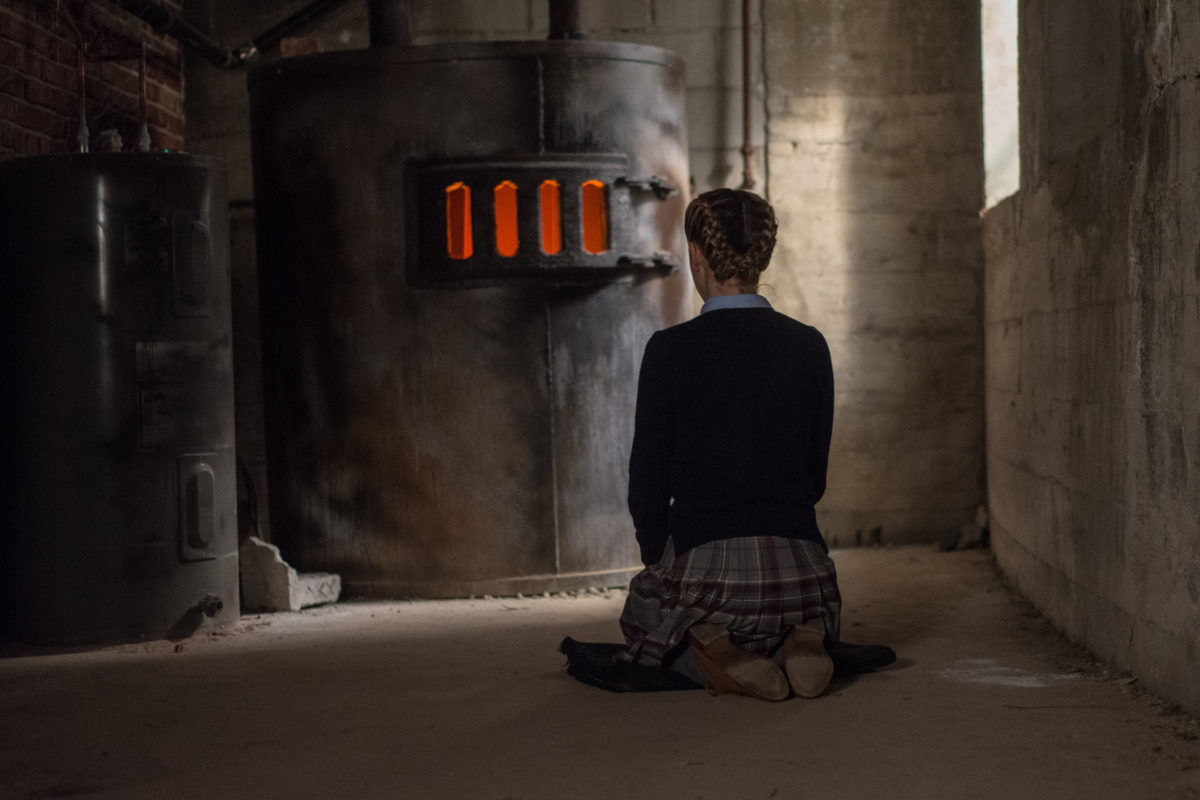
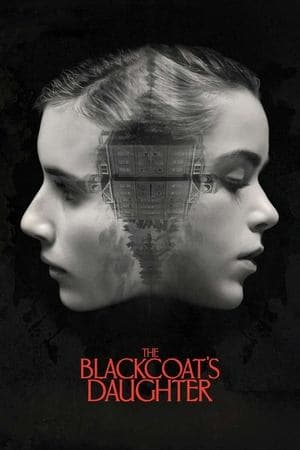
I was reminded of this story after reading an interview where Osgood ‘Oz’ Perkins opened up about his complicated family history and how it informed his 2025 adaptation of Stephen King’s The Monkey. Contrary to Spielberg, Perkins seems well aware of the personal issues that color his work, but looking back on his older projects, I soon realized that many of the ideas influencing in his recent output were already present in his filmography as far back as his first feature. And with The Blackcoat’s Daughter celebrating its 10th anniversary this year, I think this is the perfect time to look back on how this underrated satanic thriller set the tone for Perkins’ filmmaking career.
Of course, if you still haven’t seen The Blackcoat’s Daughter, be sure to do so before reading, as there are spoilers ahead!
Before we dive into the film itself, I think a little backstory is in order. Prior to writing and directing, Perkins began his cinematic career by following in his father’s footsteps as an actor. Viral memes have recently reminded the internet of his brief yet memorable role in 2001’s Legally Blonde, but I find it very appropriate that Perkins’ first on-screen performance was during a flashback as a young Norman Bates in Richard Franklin’s underrated Psycho II back when he was 12 years old.
Like many artists who grow up surrounded by the entertainment industry, Oz was enamored by filmmaking from a young age, though he only decided to start working on his first screenplay after a series of personal tragedies made him re-imagine the horror genre as a form of self-help that teaches audiences how to deal with death. That’s why he spent years working on a passion project that was then titled February. While Perkins claims that he didn’t really know what he was doing as he developed this supernatural thriller, he worked on it for such a long time that the end result impressed nearly everyone who read it.