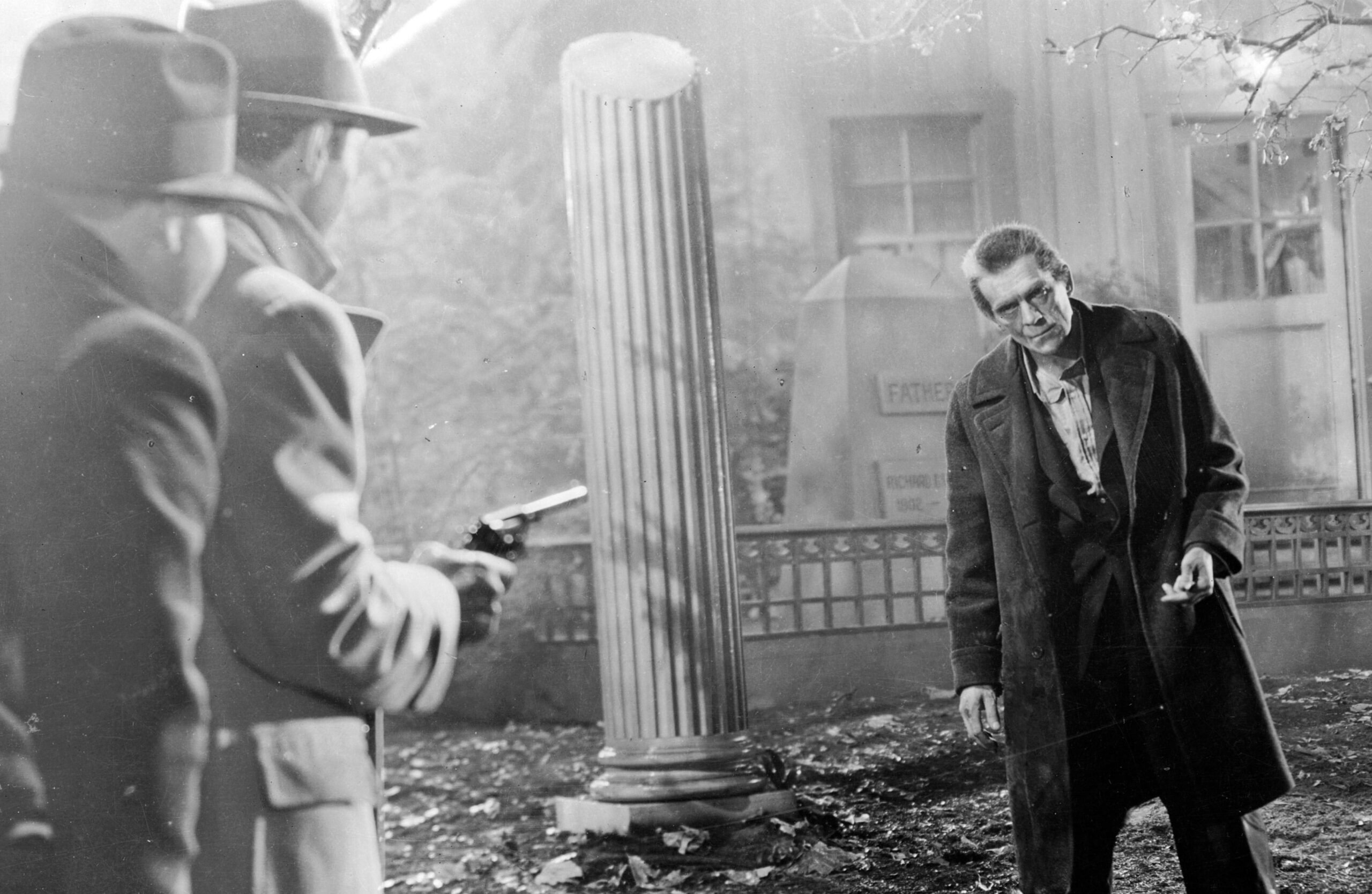
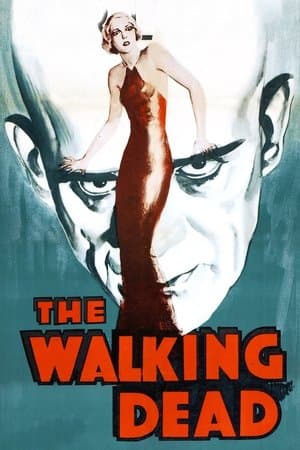
In the 1930s and 40s, Warner Bros. made films across many genres, but their bread and butter was crime thrillers and gangster pictures. The studio’s 1936 film The Walking Dead plays to this strength and infuses the story with a Frankensteinian horror twist. Helmed by Michael Curtiz, sometimes called “the greatest director you’ve never heard […]
In the 1930s and 40s, Warner Bros. made films across many genres, but their bread and butter was crime thrillers and gangster pictures. The studio’s 1936 film The Walking Dead plays to this strength and infuses the story with a Frankensteinian horror twist. Helmed by Michael Curtiz, sometimes called “the greatest director you’ve never heard of,” and starring the biggest horror star of the era Boris Karloff, the film is one of the most unique horror offerings of the 1930s. It is also among the most overlooked, overshadowed by its far more famous contemporaries from Universal. This is unfortunate because The Walking Dead is a hardboiled gangster picture, a Frankenstein-adjacent thriller, an indictment of the death penalty, an examination of corruption in the justice system, a meditation on the nature of the soul, and a pondering of the metaphysics of death all in one. And it does it all in a mere 66 minutes.
There was a time, though it may be hard to believe these days, when Warner Bros. was the most daring studio in Hollywood. Most studios were content to produce mostly escapist entertainments, movies that would allow audiences to remove themselves from the struggles of the Great Depression in the 30s and the horrors of the War in the 40s for a couple hours at a time with any social or political convictions buried in the subtext if they were present at all. Warners on the other hand tackled hot button issues head-on in edgy, openly political films that took on prohibition, organized crime, poverty, prison reform, and more. Their most prolific and reliable director from the early 30s to the mid-50s was one of the few true artists to thrive in the studio system, Michael Curtiz.
Curtiz began making films in his native Hungary at the birth of cinema in that nation. One of his early silents even featured an upcoming actor who would soon become known to the world as Bela Lugosi. Upon arriving in Hollywood, he quickly became connected with Warner Bros. and began making a name for himself, at least among the studio brass if not the general public, as a reliable and versatile director. In his career, he made films in practically every genre and did so with a deftness and understanding of the visual language required for each. He was just as comfortable making adventure films on the high seas like Captain Blood (1935) as he was making gangster pictures like Angels with Dirty Faces (1938). Some of his most iconic features include the period war film (1936), (1938), the musicals (1942) and (1954), the noir (1945) and of course, perhaps his greatest masterpiece and one of the Hollywood studio system’s greatest triumphs, (1942). Early in his Hollywood career he also made three outstanding horror films: (1932), , and (1936).