Religious Horror ‘Thorns’ Doesn’t Live Up to Its Inspirations [Review]
I’ll keep watching new Final Destination movies as long as they keep making them, but I’m personally much more supportive of heartfelt rip-offs than officially licensed sequels. After all, Star Wars began as a loving homage to the Flash Gordon serials, and even the long-running Friday the 13th series was originally meant to cash in […]
![Religious Horror ‘Thorns’ Doesn’t Live Up to Its Inspirations [Review]](https://bloody-disgusting.com/wp-content/uploads/2023/04/thorns.jpg)
I’ll keep watching new Final Destination movies as long as they keep making them, but I’m personally much more supportive of heartfelt rip-offs than officially licensed sequels. After all, Star Wars began as a loving homage to the Flash Gordon serials, and even the long-running Friday the 13th series was originally meant to cash in on the slasher thrills of John Carpenter’s Halloween. However, these new properties ended up iterating on the stories that inspired them instead of simply regurgitating their tropes ad nauseum, and that’s why they’re so beloved today.
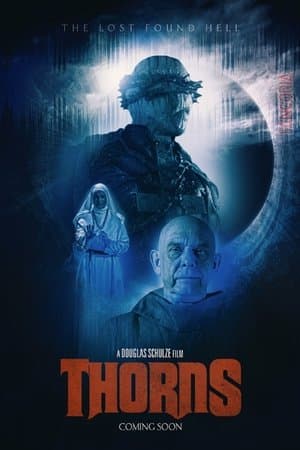
With that in mind, I think it’s about time for a modern filmmaker to properly remix the psychosexual scares of Hellraiser into something new. While there are quite a few enjoyable sequels in the fan-favorite series, Clive Barker’s diminishing involvement should be interpreted as a sign that it might be time to move on. That’s why I was excited to check out Douglas Schulze’s Barker-inspired blend of both religious and cosmic horror, Thorns. Judging from the trailer, this unique combination of Hellraiser, Event Horizon and The Thing seemed to contain enough creative juice to power a legitimately thrilling successor to the disturbing creature features of yesteryear – especially when you consider that the movie also features Doug Bradley as a major character.
Originally titled Dark Planet, this indie production actually went through years of revisions before becoming Thorns. Having grown up with effects-heavy genre flicks, Schulze originally wanted to produce something more in line with the excessive monster movies of the 1980s, but budgetary concerns led to the writer-director changing the story into more of a single-location psychological thriller with a single effects-driven antagonist and religious horror elements inspired by M. Scott Peck’s The Hope for Healing Human Evil.