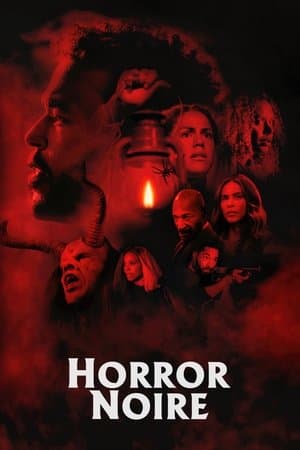
Review: HORROR NOIRE Is Mandatory Horror Film History
For Juneteenth, Fango revisits the essential 2019 documentary.
When Horror Noire: A History of Black Horror was first released on Shudder back in 2019, critics and audiences alike hailed the documentary as a scathing, stylish exorcism of Hollywood’s skeletons. Now, six years later, the film has proven to be the blueprint for horror documentaries that followed, and has evolved into a paramount resource of film history. Inspired by Robin R. Means Coleman’s crucial book Horror Noire: Blacks in American Horror Films From the 1890s to the Present, the film dares to interrogate a genre that so many people love, but one that doesn’t always love its fans back with the same level of respect or appreciation. Director Xavier Burgin attempts a balancing act of academic analysis, unfiltered obsession, and thoughtful, necessary cultural critique in its 83-minute runtime.
Bookended by Jordan Peele’s Get Out — his groundbreaking horror film that made him the first Black person to win the Academy Award for Best Screenwriter — Horror Noire explicitly examines the relationship between art imitating life imitating art, dating back to the reprehensibly racist The Birth of a Nation from 1915. The talking heads selected cover all of the bases — with authors, filmmakers, actors, scholars (among them the doc's creator, producer and co-writer Ashlee Blackwell) and fans all contributing their voices to track a timeline of not just horror, but history, because as author Tananarive Due so rightfully explains, “Black history is Black horror.”
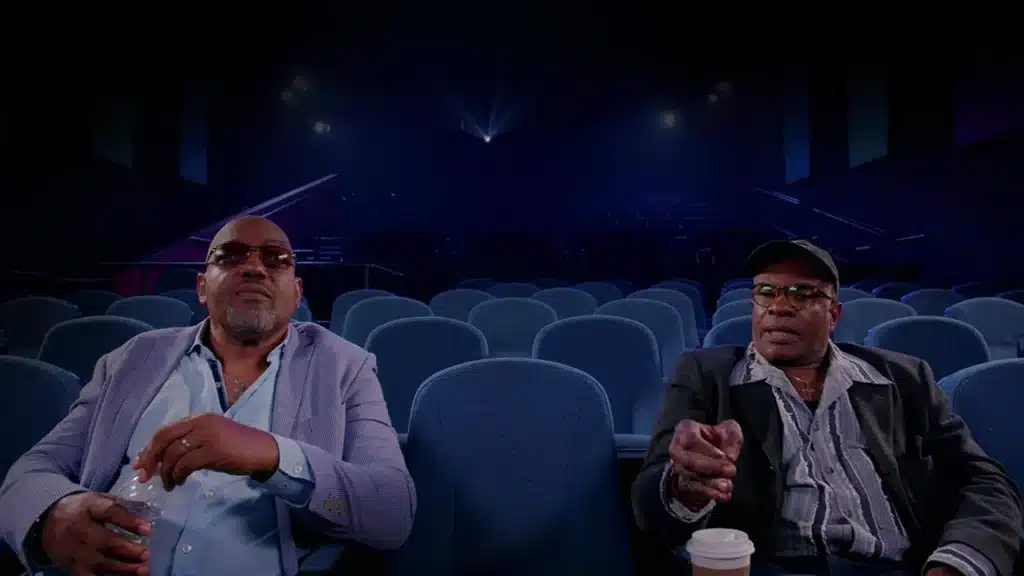
Horror Noire is not a paint-by-numbers history lesson, but an informative and provocative deconstruction of the way the horror genre has been used as an outlet for creative expression to showcase representation, tackle themes of violence, inequality, and racism, celebrate Black joy, as well as expose the implicit biases of white filmmakers. Rather than exclusively feature solo talking head interviews interspersed with movie clips, Burgin wisely pairs up many contributors in a movie theater to have discussions together, which brings a liveliness to the conversation and allows the audience to feel as if they’re gaining an education by overhearing, rather than sitting through an academic lecture.