Old-fashioned television programming still exists in many places throughout the world, but I think it’s safe to say that most internet users find the idea of channel-surfing through media that wasn’t curated by either yourself or a highly personalized algorithm to be about as primitive as dining on mammoth meat. However, as certain practices are […]
Old-fashioned television programming still exists in many places throughout the world, but I think it’s safe to say that most internet users find the idea of channel-surfing through media that wasn’t curated by either yourself or a highly personalized algorithm to be about as primitive as dining on mammoth meat. However, as certain practices are lost to the past, they can also become esoteric inspiration for modern storytellers – which is likely why Analog horror is so popular among younger generations that have never even seen a real VHS tape.
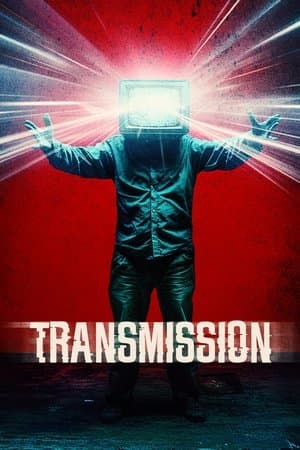
That’s why I was intrigued by the trailer for Michael Hurst’s eerie love-letter to late-night TV, Transmission. As someone who used to routinely spend the night watching multiple different channels at once in the old-school equivalent of managing multiple browser tabs on your computer, I was fascinated by the idea of a Found Footage movie using several self-contained vignettes to tell a larger horror narrative.
In the film (which was completed back in 2023 but is only getting released now due to the usual difficulties that plague indie distribution), we follow a mysterious block of late-night programming from the point of view of an unidentified old man as he channel-surfs through the unraveling of a supernatural conspiracy in real time. This is conveyed to us through a series of interconnected scenes from retro movies, breaking news broadcasts and televised documentaries, with the footage having apparently been sourced from what I assume are the old man’s VHS recordings from that particular night.
From sci-fi epics to raunchy ’70s comedies and even the occasional horror host intermission, Transmission’s clever premise allows the film to indulge a wide array of filmmaking styles in order to explore a genuinely compelling meta-narrative about a director who went too far in search of genre thrills. However, while a good script can elevate even the cheapest of productions, things can get a little messy when you’re dealing with a format that relies heavily on authenticity.
Contrary to popular belief, good Found Footage is usually harder to produce than traditional movies (even if it’s often cheaper), as modern audiences instinctively recognize what “real” footage looks like. This means that filmmakers need to be extra careful in order to make their faux media look convincing. Unfortunately for Transmission, low production value combined with sup-par acting and questionable creative decisions keep the experience from ever feeling real enough to be scary.
![Channel Surfing Turns Spooky in ‘Transmission’ [Review]](https://bloody-disgusting.com/wp-content/uploads/2025/08/Transmission-Header.png)