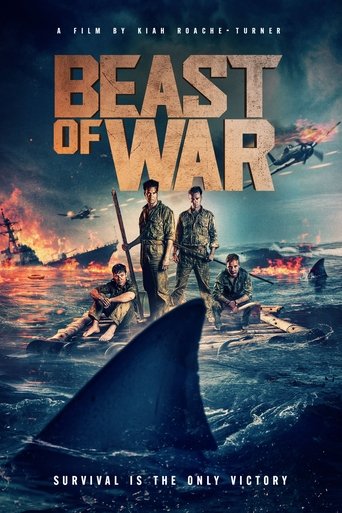
‘Beast of War’ Shark Practical Effects Made Cast and Crew Scared to Get in the Water [Interview]
World War II shark thriller Beast of War draws inspiration from the historical account that Quint tells in Steven Spielberg’s Jaws. That it releases in the same year that Spielberg’s seminal shark classic turns 50 feels like uncanny levels of planning ahead. “It’s just a beautiful, ironic coincidence, isn’t it?” Australian writer/director Kiah Roache-Turner (Sting, Wyrmwood: Apocalypse) […]
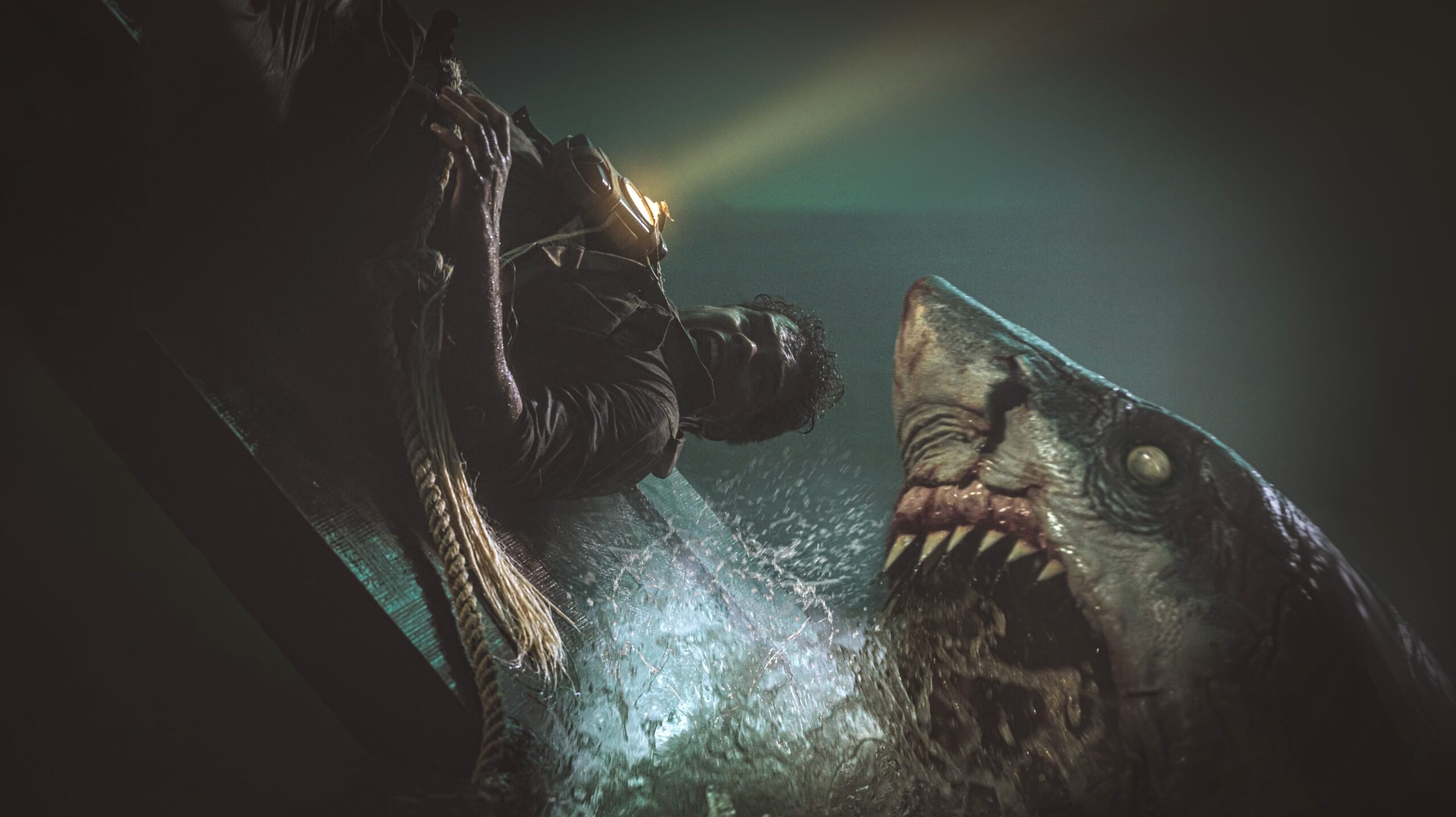
World War II shark thriller Beast of War draws inspiration from the historical account that Quint tells in Steven Spielberg’s Jaws. That it releases in the same year that Spielberg’s seminal shark classic turns 50 feels like uncanny levels of planning ahead.
“It’s just a beautiful, ironic coincidence, isn’t it?” Australian writer/director Kiah Roache-Turner (Sting, Wyrmwood: Apocalypse) grins at the serendipitous alignment in a chat with Bloody Disgusting ahead of the film’s release on October 10 in theaters and VOD.
Instead, the inception behind Beast of War was far simpler. “No, it’s funny, a couple of years ago, my producer, Blake Northfield, rang me and he goes, ‘Have you kind of got anything written about something on water?’ And I’m like, ‘Water? No man.’ He goes, ‘Well, I’ve got access to a giant water tank. Can you write something on water?’ I say, ‘Yeah, that sounds like a shark movie.’ He replies, ‘Shark movie, great, I’ll call you in a month.’ And that’s just how it started.”
That doesn’t mean that Jaws didn’t factor into Beast of War at all, though. Far from it; Quint’s unforgettable monologue did serve as foundational inspiration for Roache-Turner’s first foray into aquatic horror-thrillers.