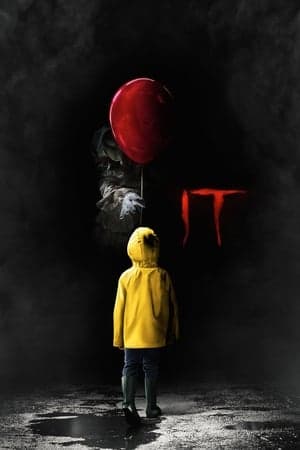
Why The 1990 IT TV Miniseries Is The Best Adaptation Of The Stephen King Novel
By Fangoria.com
7 min readLosers forever: After 35 years, we're returning to Derry to face our fears…

Losers forever: After 35 years, we're returning to Derry to face our fears…
Part of this impact was, of course, thanks to Pennywise. In the years since, creepy clowns have proliferated in pop culture (from the Terrifier films to Captain Spaulding in Rob Zombie’s House of 1000 Corpses), but back in 1990, the trope had not yet been fully established. King has always had a knack for great villains, but even in his pantheon, Pennywise might be the most iconic, a terrifying creation brought vividly to life here by the twin forces of make-up artist Bart Mixon and actor Tim Curry, whose performance continues to induce coulrophobia in countless viewers today.
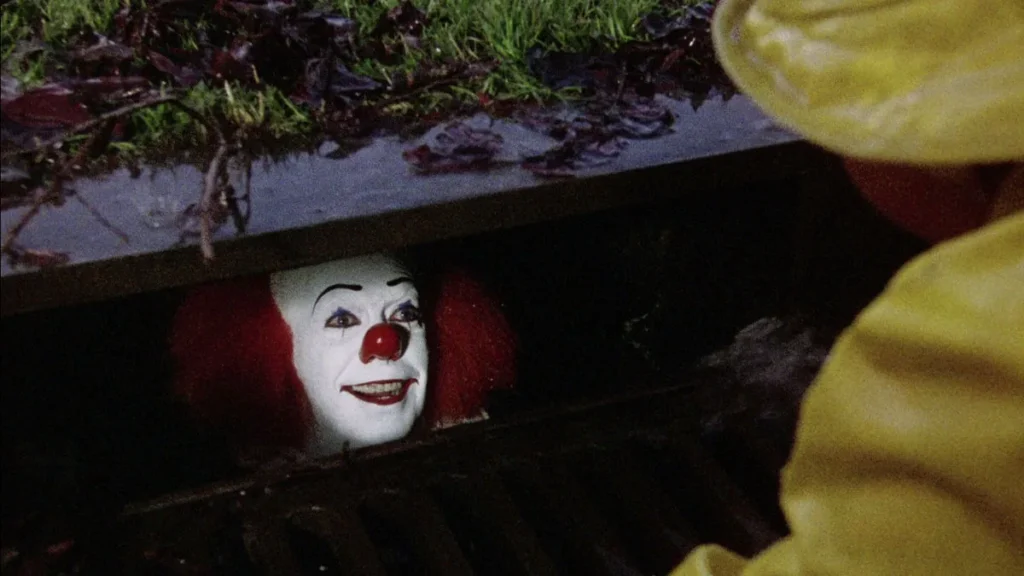
Initially, several other actors were considered for the role (including Alice Cooper and McDowell/McDowall Malcolm and Roddy), though it now seems unthinkable that anyone else could have played the Dancing Clown. Half trickster, half multi-colored nightmare, Curry embodied a mischievous magnetism that remains haunting all these years later.
But if Pennywise provided the iconography that made IT a cultural touchstone, arguably the real success of the series – and the novel – was the Losers.
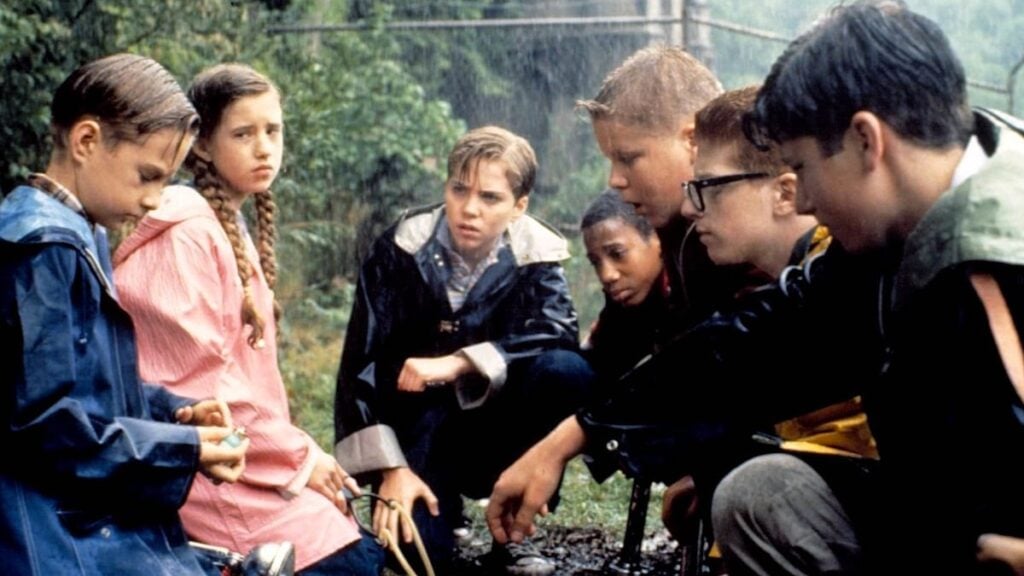
The Losers Club – namely Bill, Ben, Bev, Mike, Eddie, Richie, and Stan – have always been the beating heart of IT. A group of misfits and outcasts, the friends find each other in the small town of Derry after Pennywise kills Bill’s younger brother George, leading them to hunt down the clown before reuniting 30 years later when the beast reawakens.
Despite all his monsters, King’s best work has always been rooted in a deep, empathic humanism. As Cohen puts it in the 2021 documentary Pennywise: The Story of IT, “The gold of the book were the kids”, and this gold likewise proved central to the series. The script for ‘Night 1’ (written by Cohen and described by Wallace as a ‘masterpiece’) focuses largely on the Losers as children, with the young cast universally excellent – from Jonathan Brandis’ easy charisma as stuttering Bill, through to Brandon Crane’s fragility as the overweight Ben and Emily Perkins’ steely vulnerability as lone-female Bev.
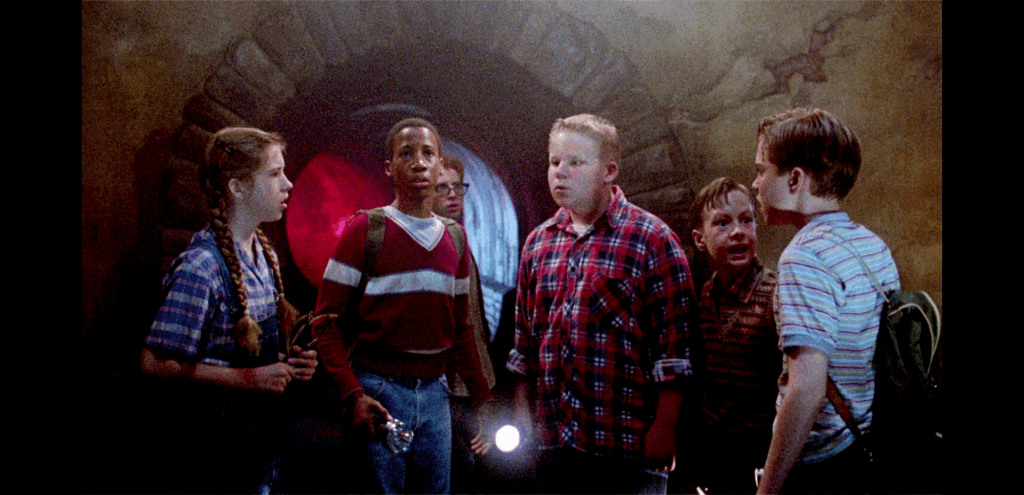
However, what is more impressive than individual performances is the dynamic the group builds as a whole; the ensemble boasts a chemistry that feels genuinely intimate, and – much like another classic King adaptation, Stand By Me – envelops proceedings in a rich emotional resonance.
And it wasn’t just the kids who excelled. Replicating the time-hopping structure of the book, the miniseries also follows the Losers as adults forced to return to Derry to finish what they started. With a cast of comics and character actors including Richard Masur (Clarke from Carpenter’s The Thing) and John Ritter (Three’s Company), the adult performers spent time with their kid counterparts to ensure continuity, developing tics and mannerisms to sell the veracity that these people were one in the same.
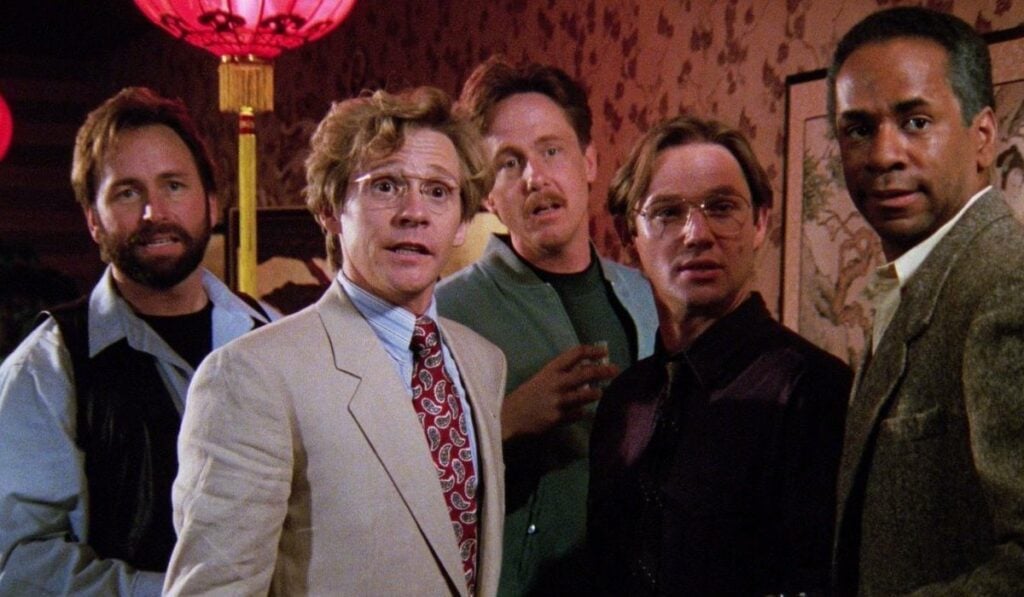
This sense of real lives with a weighty history created moments of almost unbearable heartache, from Stanley’s suicide at the end of Night 1, to Eddie disclosing his virginity before sacrificing himself during Night 2’s climactic showdown. Whilst lazier writing might treat character deaths as a shorthand for pathos, here these moments carry a genuine sense of bereavement, the tragedy of not just someone dying but also the moment the Losers Club loses one of their own.
This emotional texture is also felt elsewhere; the series neatly captures a sense of nostalgia for one’s own childhood. Not every audience member will have grown up in small-town 1950s America, but the sense of an endless summer spent in movie theatres, playing in the woods, running from bullies, or riding your bike feels somehow universal.
It’s been said that there are two perfect ages to read IT: once when you’re 12, and again when you’re 40 (mirroring the ages of the Losers at different stages of the story). The same might be said of Wallace’s adaptation: for those of us who grew up with the miniseries in the early 90s, revisiting it 35 years later hits differently, as if on a meta-level we too are returning to our own childhoods and remembering things (feelings, details, moments) which we had previously forgotten.

With the passage of time, this sense of meta-longing for the past has also taken on new wrinkles. Several of the cast have now passed away, including Jonathan Brandis, who tragically died by suicide in 2003. For a story that is so much about looking back on one’s history, remembering both the good times and the horrors, it feels especially heart-wrenching to take this lesson out of Derry’s city limits and apply it to our own lives.
Ultimately, the power of IT exists in this mystery: that, like life, it is both cosmic and local, sprawling and intimate. It contains untold, inexplicable, unimaginable terrors, so profound that one might struggle to give it words, but at the same time, there is the possibility of hope, beauty, and friendship down amidst the sewers.
It is on this note the miniseries ends. After the Losers finally defeat Pennywise forever, the surviving members go their separate ways: Ben and Bev to their happily-ever-after, Richie to his LA movie life. But Bill (Richard Thomas) remains, his wife Audra (Black Christmas’ Olivia Hussey) catatonic after staring into Pennywise’s deadlights. In one final moment, Bill hurtles downhill on his bike, Silver, with Audra perched on the crossbar. “Beat it, beat it” he prays, mantra-like, longing for her to return. For a moment, it’s unclear whether she will, or if she will remain adrift always, another casualty in the clown’s long list of victims.
But then her hand flickers, she comes back to herself, and they embrace. It’s a promise for those who have been through hell: that somehow, someday, everything will be ok again, even if you have to fight an evil interdimensional being to get there.
IT (1990) is streaming on Max. For a deep dive, check out the 2021 documentary Pennywise: The Story of IT, streaming on Prime and extensive IT coverage in FANGORIA Issue #98.