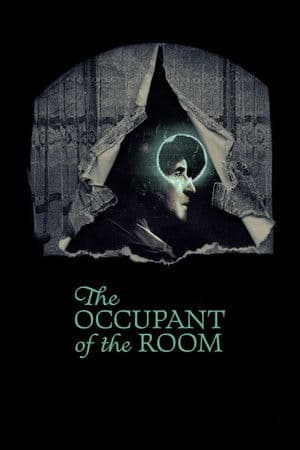
Interview: Kier-La Janisse On Crafting Holiday Horror In THE OCCUPANT OF THE ROOM
Severin Films’ THE HAUNTED SEASON is now streaming on Shudder.
When it comes to Christmas horror, the obvious titles come to mind; Black Christmas. Silent Night, Deadly Night. Terrifier 3. Gremlins. While all of these Christmas classics certainly deliver on festive feelings, another subgenre of holiday horror focusses more on slower, subtler scares, eschewing twinkling lights and tinsel for disembodied hauntings and existential dread. The great tradition of Christmas ghost stories as we know them stems from the British Isles (because of course it does), harkening back to Charles Dickens' 1843 novella A Christmas Carol. Since then, many movies and shows have adapted some of the most classic stories, most notably with the BBC's A Ghost Story for Christmas series, which combine the traditional twinge of folk horror with the religious guilt us Brits are so fond of.
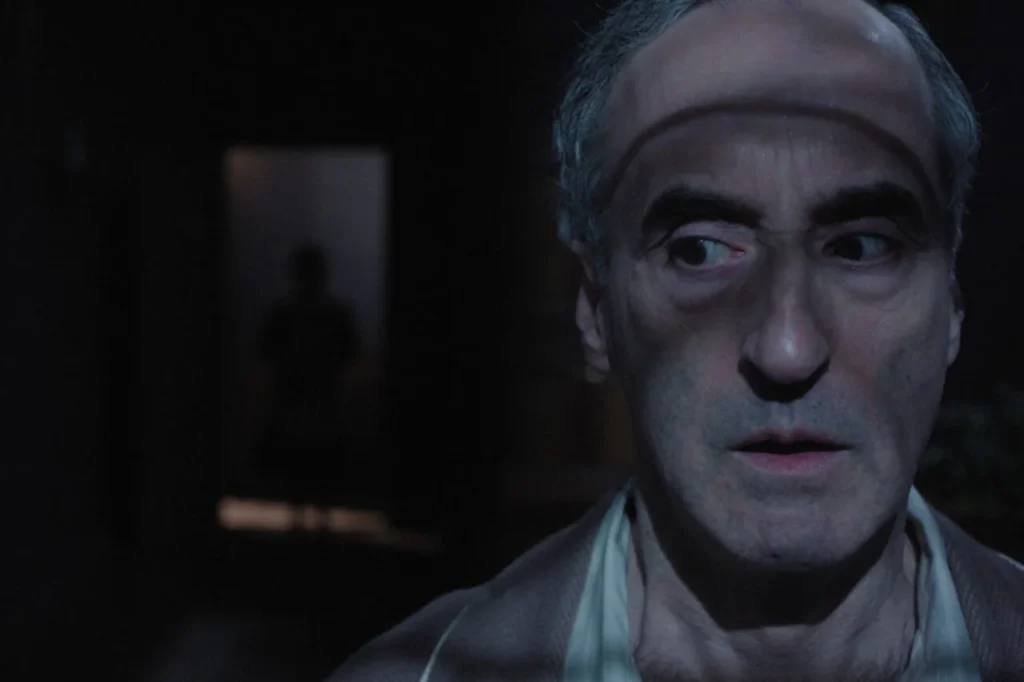
Last year, prolific film writer and Severin Films producer Kier-La Janisse (Woodlands Dark and Days Bewitched: A History of Folk Horror, House of Psychotic Women) put her many years of research into the genre into practice with The Haunted Season, a yearly series of chilling short form horror tales that follow the classic tradition, starting with Sean Hogan's To Fire You Come At Last. This year, Janisse steps into the director's chair for her first narrative feature with The Occupant of the Room, an adaptation of the short ghost story of the same name by Algernon Blackwood from 1909, which centers on a schoolteacher (Don McKellar, Exotica, eXistenZ) whose late-night arrival at a hotel in the Alps leads to a sleepless night full of uncanny occurrences.
With Severin Films’The Haunted Season: The Occupant of the Room now streaming on Shudder, we sat down with Janisse to talk festive frights, capturing depression on film and her leap from non-fiction into narrative filmmaking.
What's your background with the Christmas ghost story horror tradition?
Kier-La Janisse: In 2017 I edited Yuletide Terror: Christmas Horror on Film and Television, an almost 500 page book featuring different essays about the history of Christmas horror and different case studies of specific films, as well as a huge compendium at the end, so it was something I'd already spent quite a long time thinking about. Also, just the idea of winter as a time for ghost stories, whether or not it has a Christmas connection. A lot of the stories we think of as ghost stories for Christmas actually don't have anything to do with Christmas – they don't mention Christmas, they're not set at Christmas. The idea is that the timing of the telling of the tale, and the fact that you are telling it at Christmas, is what makes it a Christmas ghost story.