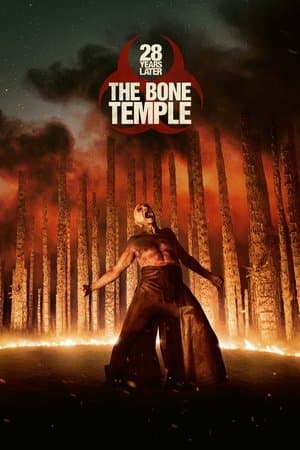
’28 Years Later: The Bone Temple’ Review – Nia DaCosta Pushes Horror Forward in Soaring Sequel
The second entry in writer Alex Garland and original director Danny Boyle‘s trilogy, 28 Years Later: The Bone Temple, picks up from the previous film’s divisive conclusion that saw young Spike (Alfie Williams) fleeing from the Infected straight into the open arms of a psychopathic cult leader trapped in the past. Director Nia DaCosta takes […]
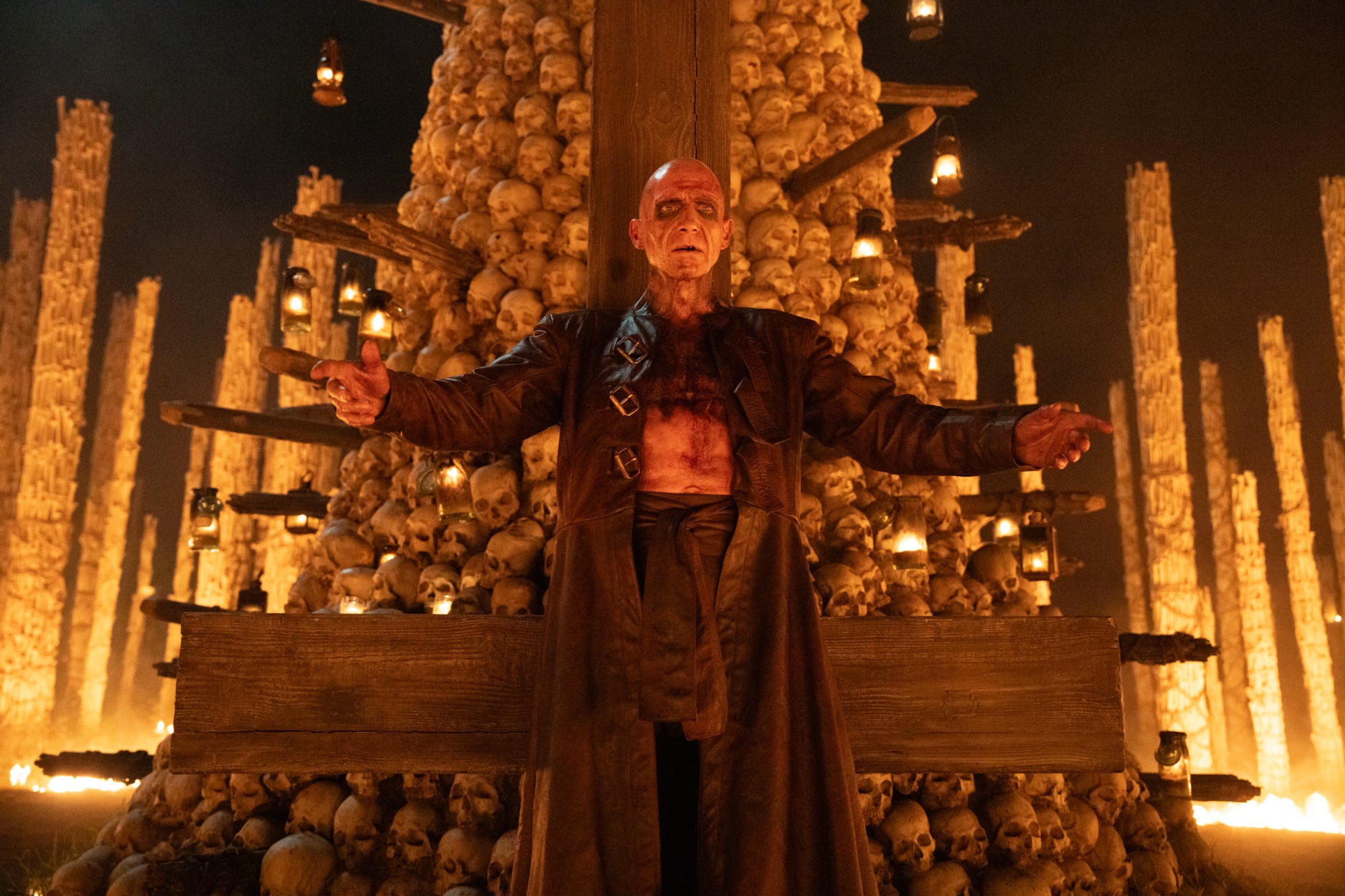
The second entry in writer Alex Garland and original director Danny Boyle‘s trilogy, 28 Years Later: The Bone Temple, picks up from the previous film’s divisive conclusion that saw young Spike (Alfie Williams) fleeing from the Infected straight into the open arms of a psychopathic cult leader trapped in the past. Director Nia DaCosta takes the reins with fearless gusto, making this entry wholly her own while pushing the overarching story and its richly layered themes into darker, grislier, funnier, and more poignant territory.
28 Years Later opened with the introduction of a young boy surviving the Rage virus-induced slaughter of his family, leaving him orphaned and alone. That boy, the film’s ending would reveal, grew up to become Sir Jimmy Crystal (Sinners‘ Jack O’Connell), a man forever stunted by the apocalyptic event that permanently cut off the British Isles from the mainland. Worse, his developing young brain processed the traumatic event in ways that, left unchecked, would help him blossom into a boisterous yet vicious cult leader of followers made in his image.
As protagonist Spike is forced to navigate Sir Jimmy and his Jimmies’ volatile clutches, exposing humankind’s darkest lows, hope for the future comes once more from Dr. Kelson (Ralph Fiennes), who continues his tender attempts to understand the imposing Alpha he dubbed Samson (Chi Lewis-Parry).