The ancient Greeks may not have had stories about haunted Raggedy Anne dolls or serial killers in hockey masks, but they sure as hell had equally chilling legends about bull-headed monsters and supernatural fates worse than death. After all, humanity has been crafting scary stories since the dawn of time, and the very best of […]
The ancient Greeks may not have had stories about haunted Raggedy Anne dolls or serial killers in hockey masks, but they sure as hell had equally chilling legends about bull-headed monsters and supernatural fates worse than death. After all, humanity has been crafting scary stories since the dawn of time, and the very best of these yarns manage to tap into universal fears and anxieties that are just as frightening today as they were back in pre-history. That’s why it makes sense that so many of our favorite genre narratives from modern times are still based on ancient source material.
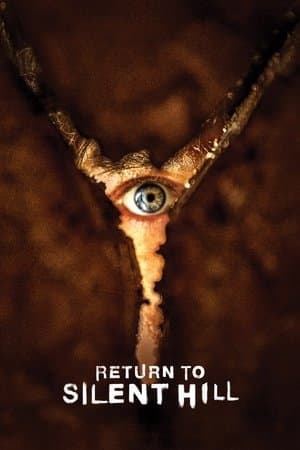
With Christophe Gans’ long-awaited big screen adaptation of Konami’s Silent Hill 2 finally hitting theaters this month, I think this is the perfect time to look back on the existing tales that inspired both the original game and the new movie. So gather your health drinks and ammo, as we’re heading back to 1999 to find out how Russian literature and Greek myths served as the basis for one of the greatest video games of all time.
While the first Silent Hill game was built over a cocktail of diverse influences ranging from Stephen King novels to cinematic classics like Eraserhead and Jacob’s Ladder, Konami’s Team Silent wasn’t content with simply recycling their work when the time came to develop a sequel. Led by director Masashi Tsuboyama, the group soon realized that, since they already knew what Silent Hill 2’s world was supposed to look and feel like, they could spend more time developing an in-depth narrative this time around.
It was ultimately the game’s cinematics director, Takayoshi Sato, who suggested looking at Fyodor Dostoevsky’s 1866 novel Crime and Punishment for inspiration. The book’s musings on guilt and attempting to justify terrible deeds through good intentions seemed to him like an appropriately dark setup for a psychological horror experience – especially when you take into account how Team Silent itself faced thoughts of social isolation and even depression while working long hours on both the original game and its sequel.