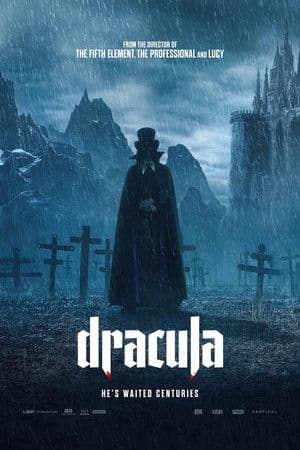
‘Dracula: A Love Tale’ Review: Luc Besson’s Lavish Yet Hollow Take on a Familiar Foe
It’s a glossy, romance-first Dracula that looks the part but forgets why the monster and his love was ever dangerous in the first place.
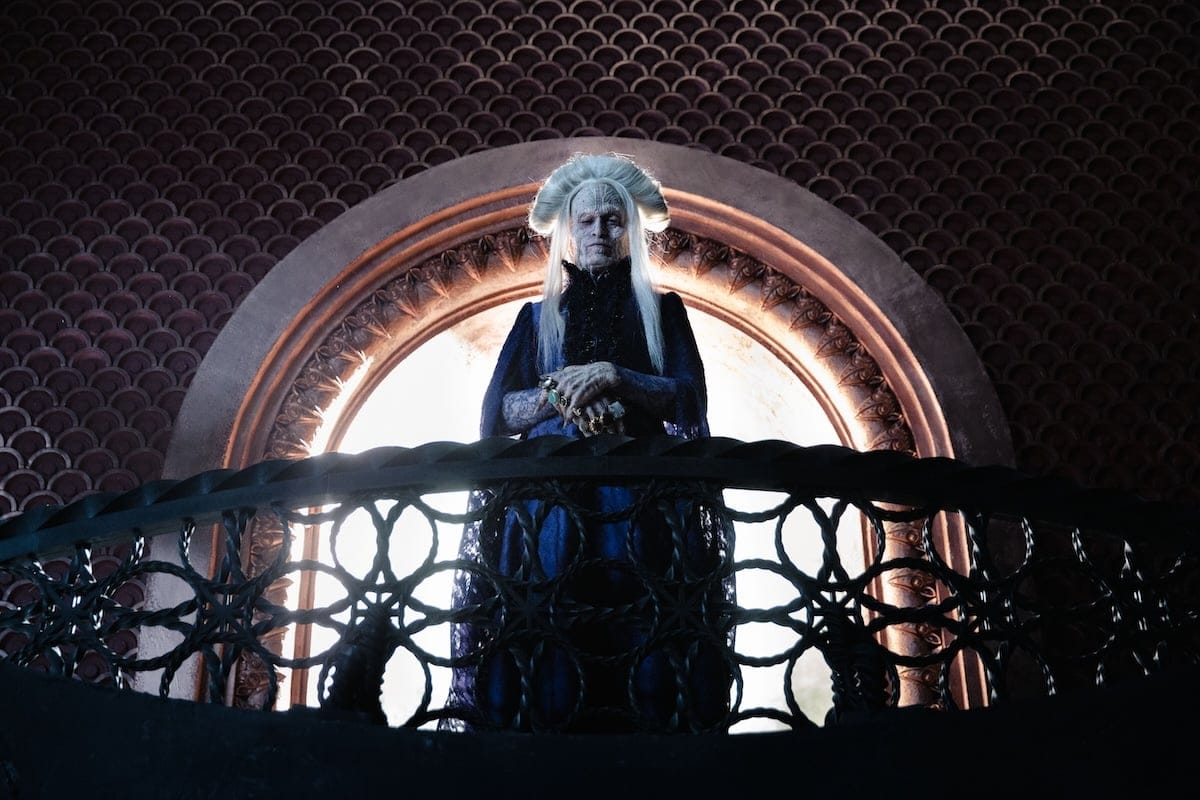
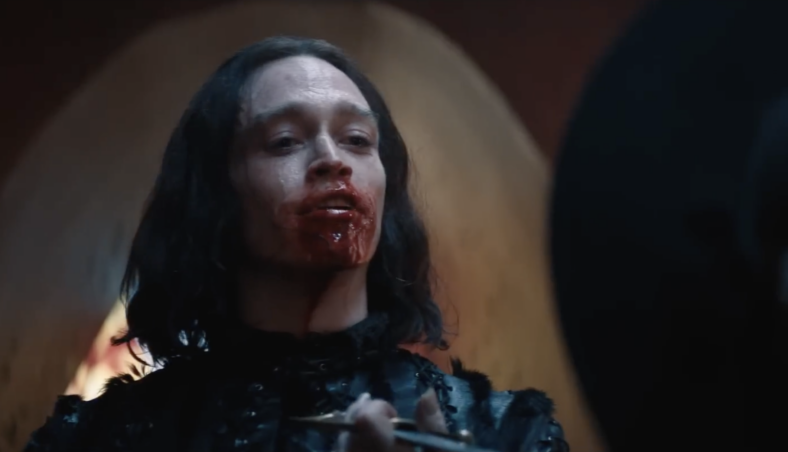
Luc Besson’s Dracula: A Love Tale feels like an adaptation that assumes you already know the legend so well, that it doesn’t need to fill out its story as well as its costuming. Sure, Dracula is one of the most over-adapted characters in horror history, and Besson treats that familiarity as a shortcut rather than a challenge. What we get is a polished, expensive-looking project that never quite answers the most important question: why Dracula, and why now?
Besson has been clear that he sees the count as a tragic romance first and a horror story second. Groundbreaking. While the idea isn’t new, still, it isn’t automatically wrong. Here, Prince Vlad’s transformation from grieving husband to cursed immortal happens swiftly and broadly. His wife dies, he turns on God, and he’s condemned to wander the earth waiting for her reincarnation. Classic. It’s big and bold on paper, but Besson rushes through the emotional groundwork, leaving the tragedy feeling more like a pitch than something we can feel.
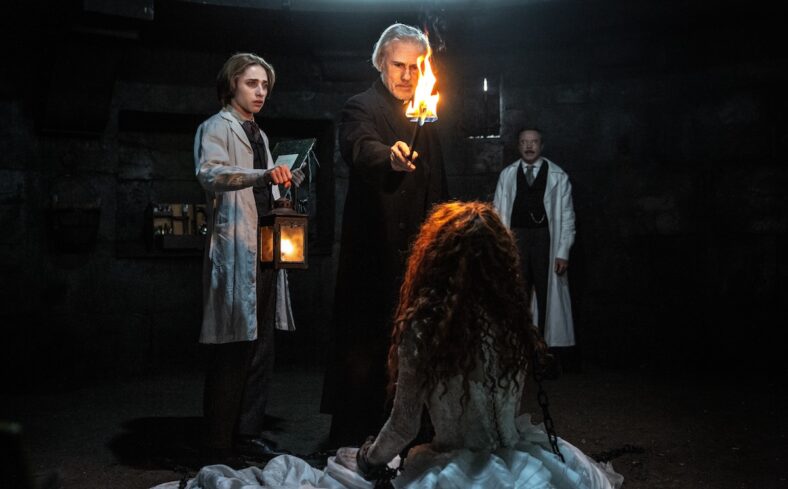
This version of Dracula follows a path audiences have walked many times before: An ancient vampire relocates to a major city, crosses paths with a pretty woman who resembles his lost love, and attracts the attention of people determined to stop him. Besson doesn’t do much to reshape that arc or surprise us along the way. When new ideas are introduced, they often feel like surface-level and timid additions rather than choices that deepen the cut of story or its core romance.