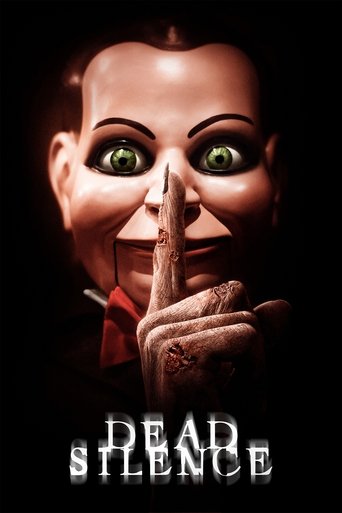
Were We Wrong About ‘Dead Silence?’: A Reassessment, 19 Years Later
By Dread Central
5 min readAshliene McEnemy pens a reassessment of James Wan’s ‘Dead Silence,’ the flawed, forgotten freaky doll film that everybody loved to hate.

Ashliene McEnemy pens a reassessment of James Wan’s ‘Dead Silence,’ the flawed, forgotten freaky doll film that everybody loved to hate.
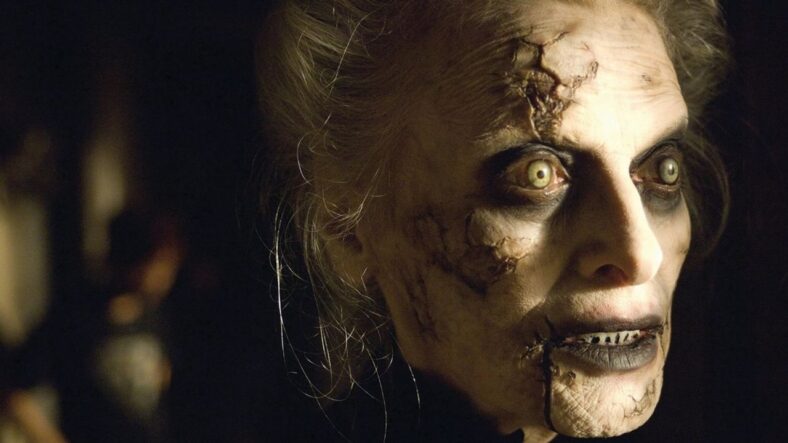
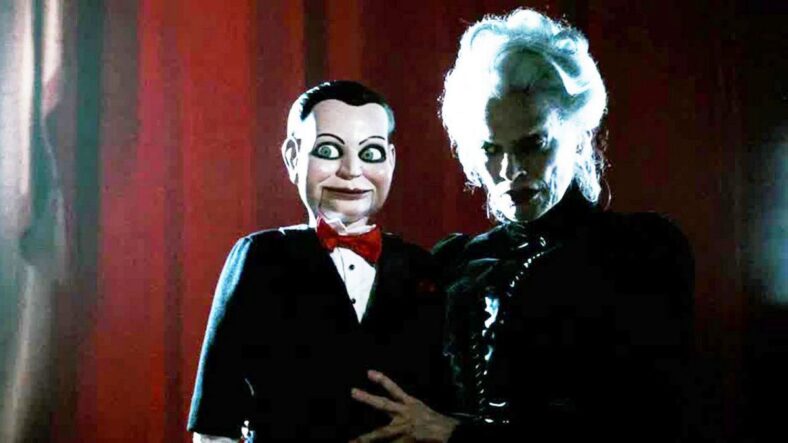
While it’s not the gory film viewers were probably expecting from the duo behind Saw, Dead Silence is a playful haunted-house-in-a-small-town story that hints at what Wan would do later with Insidious and The Conjuring series. Everything that made those films work–grinning old women in Victorian garb, creepy puppets with absurdly high cheekbones, a fascination with old-timey technology–is here and used to great effect.
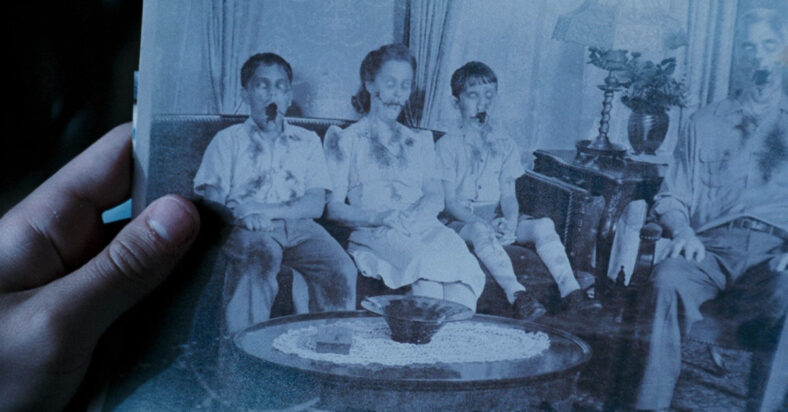
There are also plenty of nods to Hammer films and other references that horror fans will appreciate. The Raven Fair’s Guignol Theater, for example, is a reference to the Théâtre du Grand-Guignol (fun fact: it was named after a Lyonnaise puppet), and it also subtly signals Dead Silence’s theatrical, gleefully grotesque energy. Corpses with missing tongues jump toward the camera like haunted house animatronics, the graveyard is covered in a permanent blanket of obviously artificial fog, and stacks of photographs show Mary Shaw’s victims in their Sunday best with empty eyes and mouths. There’s also the particularly upsetting use of clam chowder in a flashback.
On a rewatch, the performances, which were criticized as being “wooden”, feel purposeful. Model-turned-actress Amber Valletta, as Jamie’s stepmother, Ella, is the most fun to watch if you already know the twist.
There are also a couple of genuinely freaky scenes, but it’s Henry’s (Michael Fairman) childhood encounter with Mary Shaw that stuck out to me the most. The image of her body on the floor, her face fixed to look like a doll’s, is one of the creepiest things I’ve seen since the crawl space scene in Caveat. If you know, you know.
So many exposition dumps, so little time. What could have been an unnerving slow-burn with some quiet scenes of truly grotesque imagery is interrupted by clunky exposition dumps that do nothing to deepen the mystery. We’re reminded of the “rules” multiple times (when you see her, don’t scream!) and Jamie awkwardly explains his family’s lore to his estranged father as if the man doesn’t know why his son hasn’t visited in years.
Jamie isn’t a particularly interesting protagonist either. From the moment we meet him, there isn’t much we can attach ourselves to or root for. Compared to the other characters–the compulsively shaving Jim Lipton, the elderly mortician Henry, the vaguely bohemian, constantly giggling Lisa–Jamie is just kind of there. One could argue he’s meant to be the everyman type, a kind of self-insert to make us feel as though Mary Shaw and Billy are chasing after us as we try to solve the mystery, but there’s nothing about Jamie that makes me curious enough to step into his shoes. He doesn’t even react to discovering Lisa’s corpse frozen in bed. He’s just kind of…disappointed, maybe?
And then we have the twist. I won’t reveal it here, but if you’ve seen Dead Silence, then you already know that Mary Shaw will stop at nothing to make sure everyone in Raven’s Fair pays for what they’ve done to her. The twist is fun, but the series of rapid-fire flashbacks that worked well in Saw comes across as goofy here.
Don’t let my Letterboxd rating fool you. There is such a thing as a four-star two-star movie, and Dead Silence is one of them. I can see why this was so divisive in 2007, and I don’t think this is a perfect movie at all, but it’s fun to see Wan and Whannell play with some of the ideas and images that we’d see later on.
So were we wrong about Dead Silence? Technically speaking, no. It’s not a particularly strong movie, but we might have been a little too quick to bury it. And with its 20th anniversary looming, don’t be surprised if this creepy little puppet gets the last word.