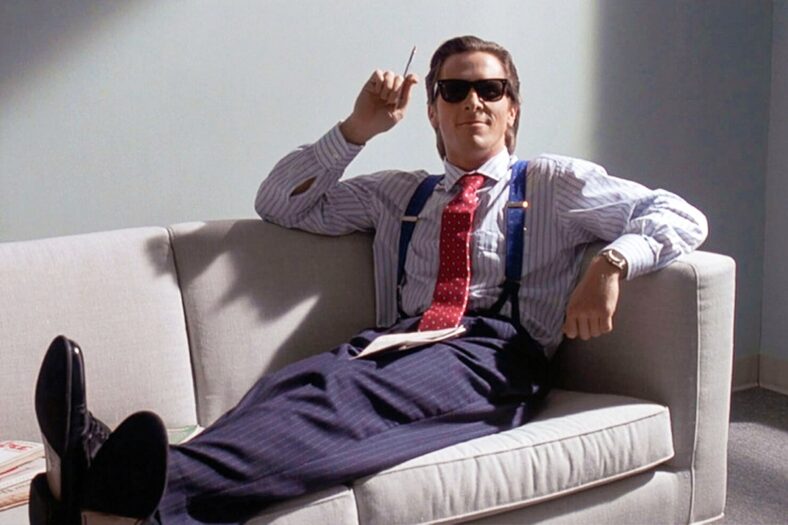
Revisiting ‘American Psycho,’ the Fundamentally Misunderstood Horror Classic
Ashliene McMenamy looks back at ‘American Psycho,’ from its controversial release to Christian Bale’s unforgettable performance.
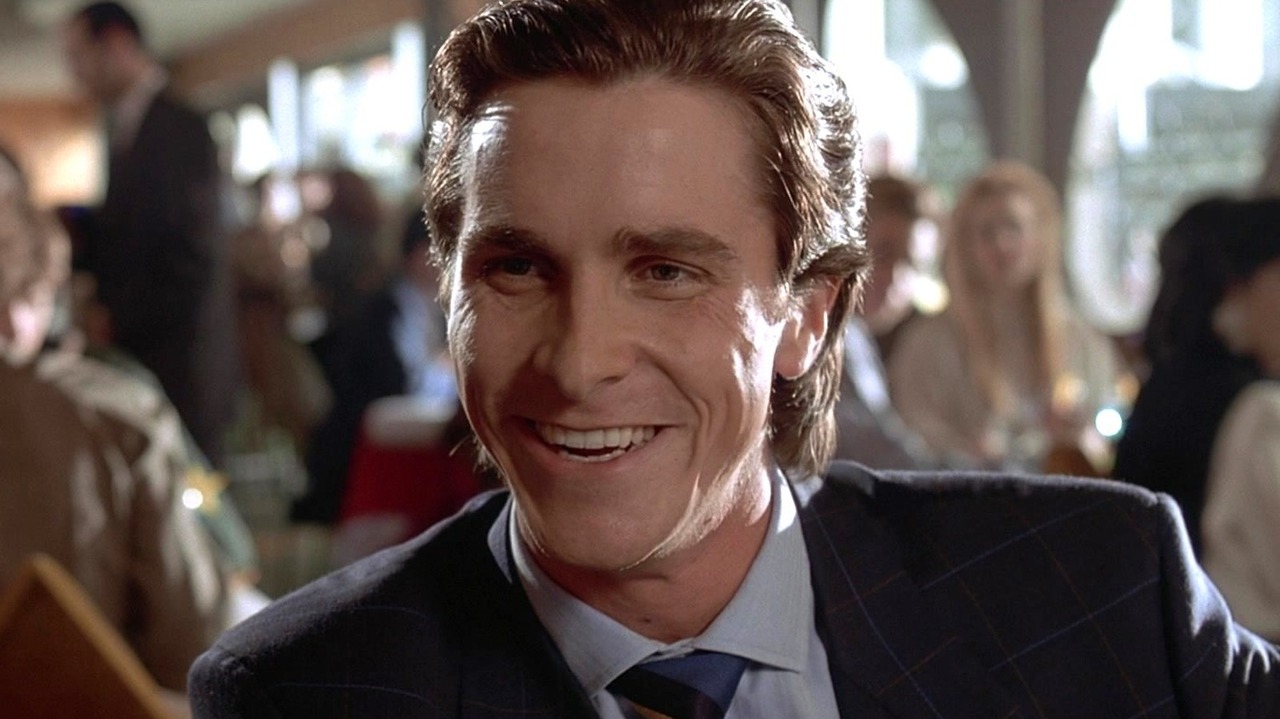
There’s something a lot of people don’t know about me, but if you’ve been following along here with me for a while, it won’t come as a surprise: I read American Psycho when I was 15 and instantly became a lifelong Bret Easton Ellis fan. In retrospect, even though I’m not sure I would encourage every high school sophomore to read Ellis’ controversial 1991 novel (Simon & Schuster killed it months before its publication), I’m impressed that even as a high school sophomore, I understood what it was trying to accomplish. I finished all 400 pages in three days, ignoring my required reading for class to read a book containing one of the most nauseating passages involving a woman and a rat. So it’s no surprise that I’m also a fan of Mary Harron’s equally controversial 2000 adaptation, which turned 26 on April 14th.
Despite the initial controversy, phantom protests, and accusations of misogyny, American Psycho was a critical success upon its release. Roger Ebert, who notoriously hated horror, opened his review of the film by applauding Harron for “transform[ing] a novel about blood lust into a movie about men’s vanity.” But Harron still faced criticism. In a piece for The New York Times, Harron wrote, “After American Psycho was shown at Sundance this year, I was asked over and over: ‘Aren’t you concerned about violence in entertainment?’ and ‘How can you release this film after Columbine?’” After she was asked how she would feel if the film inspired someone to become a murderer, she wrote, “When did a book or a film alone turn someone into a murderer? And what about all the other movies, books, and television dramas about serial killers? Would they be to blame too?”
Looking back, it seems ridiculous that anyone would even ask Harron these questions. Then again, despite the film going on to gain a cult across generations, inspiring everything from silly memes to trending TikTok audios and even a electronic band, there are still people– men especially– who don’t seem to understand that is satire, or, like , they do, but they’re too obsessed with the image of Patrick Bateman (a lizard-like, pearly-toothed ) to really care about the fact that the film very obviously thinks he’s a big loser.