Your Next Favorite Horror Director Just Might Be a YouTuber
From Markiplier to Curry Barker, it seems like the future of horror just might be in the hands of your favorite YouTubers.
I’ve been on the Internet long enough to tell you that the first YouTube video I ever watched was “Charlie the Unicorn,” an animated short about a group of unicorns who venture to Candy Mountain, only for Charlie to have his kidney harvested in the end. From there, I discovered lonelygirl15 the gory and genuinely shocking series “Happy Tree Friends,” and when I tired of those, I began searching for other things like “real ghosts caught on camera” and “alien abductions,” certain I’d find something more disturbing than anything I could find in the movie theaters or on TV.
Ever since its launch in 2005, YouTube has been called the future of entertainment, with some (correctly) predicting that it would replace television. But no one could really predict that the video-sharing platform would ultimately create entirely new forms of content (ASMR videos, celebrity interviews over hot wings and chicken tenders, longform video essays), and nobody would have expected that some of the most interesting new voices in horror would come from it either.
The fact that we’re seeing so many horror movies written and directed by YouTubers shouldn’t come as that much of a surprise. Horror has always welcomed the kind of talent you wouldn’t necessarily find in film school–amateur filmmakers working with limited resources or zero prior experience, shoestring budgets, people willing to push boundaries and get really weird–which is how we got gems like The Evil Dead, The Blair Witch Project, and the Paranormal Activity franchise. But now, instead of discovering this talent at a film festival or through a friend of a friend in the industry, we’re finding it online.
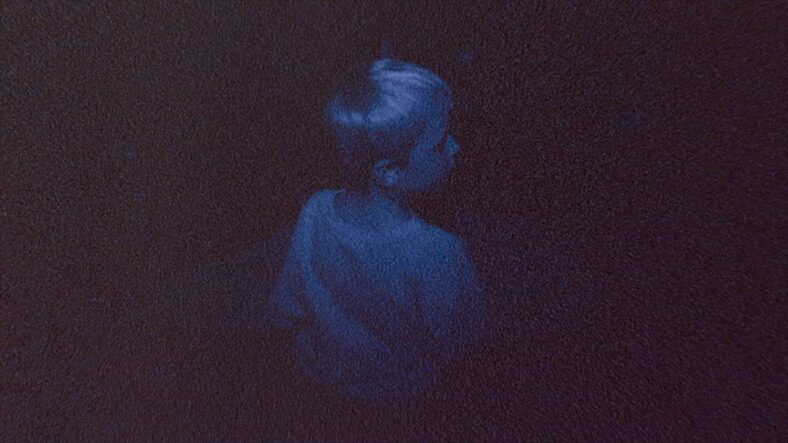
Before Skinamarink became one of the most divisive horror hits of the 2020s, its director, Kyle Edward Ball, got his , uploading videos inspired by descriptions of his viewers’ nightmares. The success of the series, which he called Bitesized Nightmareseventually led him to create a viral 30-minute proof of concept called which eventually became