Revisiting ‘The Resurrected,’ an Underrated Lovecraft Adaptation, 25 Years Later
25 years after release, Caleb Ward revisits the underrated, obscure, idiosyncratic horror gem, “The Resurrected.”
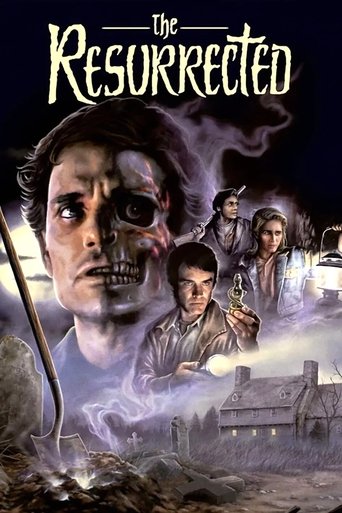
I stumbled across The Resurrected, directed by Dan O’Bannon (Return of the Living Dead), looking for HP Lovecraft adaptations last year. I found the Blu-ray at my favorite local bookstore, and I went into this with pretty low expectations. The cover looked goofy; there were only a few thousand people who had logged it on Letterboxd, to a fairly mixed, if not slightly positive reception. The movie was pretty obscure, and I figured, if this movie was good, it would’ve already developed some sense of a cult following at this point. All signs pointed to this being something forgettable and blase. I ended up being blown away by its assured eccentricity, subversion of tone and genre, and the wild ride it ultimately takes.
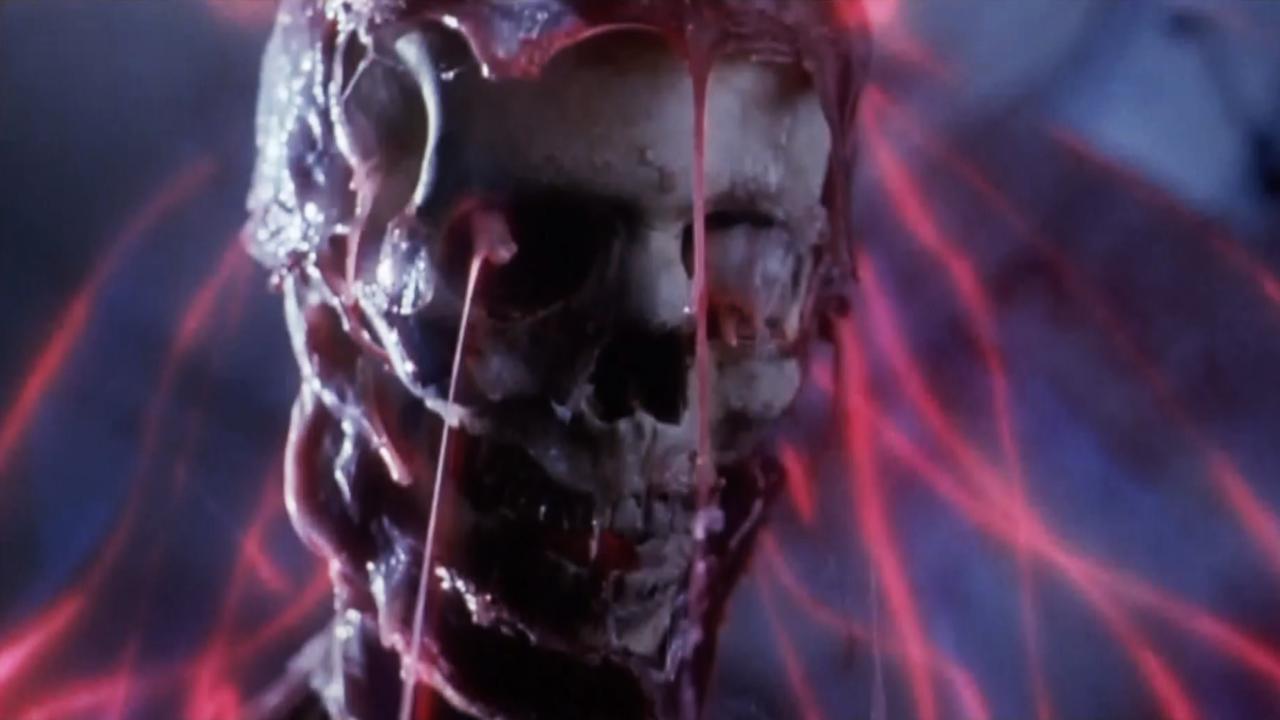
The Resurrected is a completely mistreated and underseen gem. The film is an adaptation of the H.P. Lovecraft novella “The Case of Charles Dexter Ward”, and is an electric combination of slow-burn noir and supernatural horror. The film is also incredibly silly, and paired with the enthralling mystery, goopy gore, and southern gothic imagery, it truly feels like a singular creative piece.
The details of The Resurrected’s production and release are a bit hard to come by: from what I can tell, the film was independently financed and shown in a singular film festival, before receiving a very short theatrical run, getting shelved, and eventually dumped straight to DVD in 1991. The unceremonious and lackadaisical treatment of this release left it with no meaningful buzz or platform to be seen. Scream Factory released it on Blu-ray in 2017, but leaving DVD purgatory didn’t substantially elevate or illuminate the film. The closest The Resurrected ever got to a true bump in recognition was its reception of a “Best Video Feature” Chainsaw award in 1992.
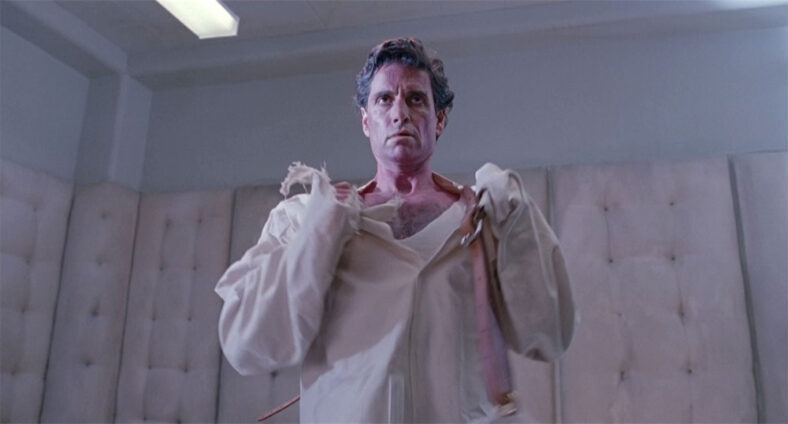
The Resurrected opens with a towering house, a thunderstorming night, an ominous Bible verse, and a missing mental patient. The atmosphere and stylistic language are immediately established with self-assurance. Colorful, silly, ominous, and foreboding all in the same breath, this opening sequence is a microcosm of the entire film. Overdramatic line readings and well-orchestrated scene structures, spurts of vibrant gore, breathless investigations. It also plays with Southern Gothic imagery and atmosphere as well. There is no shortage of creative vision to chew on and succumb to.