Matt Konopka looks at the rise of the liminal horror genre and how films like Exit 8 and Backrooms have solidified the era in a big way.
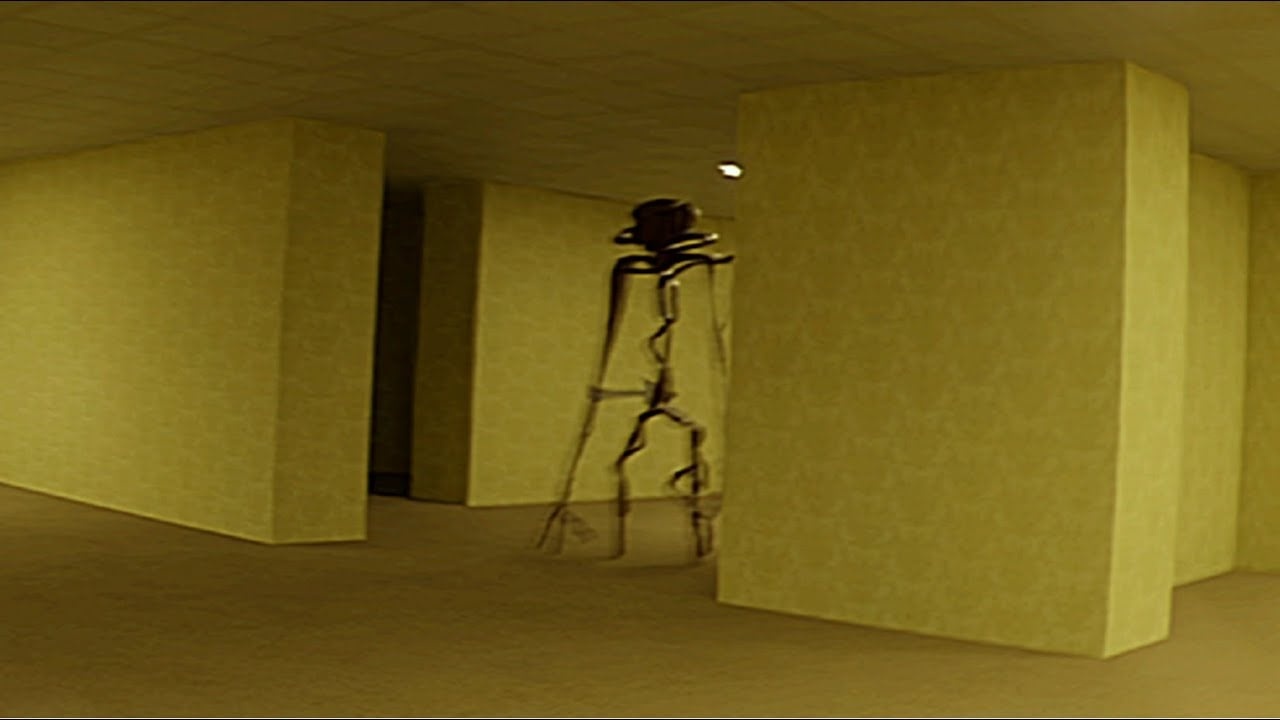
As of ten years ago, I wasn’t all that familiar with the term “liminality”. That’s despite the word being coined by Arnold Van Gennep in his 1909 book, Rites de Passage. Gennep described liminality as passageways between locations, periods, situations, or statuses. Doorways, if you will, leading from one existence into another. Yet, with the rise of various CreepyPastas, and Kane Parsons’ YouTube series based around the Backrooms (now a feature film), the concept of “liminal horror” has grown with it.
Now, it isn’t as if liminal horror has never existed until today. If I said that, you could go ahead and take away my horror card. Cancel my benefits. Rip the fan tee off my back. You know the drill. We may not have had a term for it, but liminal horror has been around for as long as the genre itself. Consider the Greek legend of Theseus trapped in the maze with the Minotaur. Or how about the ominous halls of the Overlook Hotel from The Shining? Hell, even A Nightmare on Elm Street has a heavy dose of liminality, with characters roaming dream worlds from which they cannot wake. If you look closely, you can find a sense of liminal horror in just about anything that scares you.
This year, though, we’ve seen the release of Parsons’ Backrooms and Genki Kawamura’s Exit 8 (based on the video game). They’ve changed everything. We’re officially in the era of the liminal horror subgenre.
Pictured: Skinamarink (Courtesy of Shudder)
Aside from the popularity of the , I first noticed the inklings of the movement in film back in 2023. That year saw the release of ’s highly divisive, lo-fi terror, , and ’s found-footage nightmare, .
Backrooms
Kyle Edward Ball
Skinamarink
Robbie Banfitch
The Outwaters
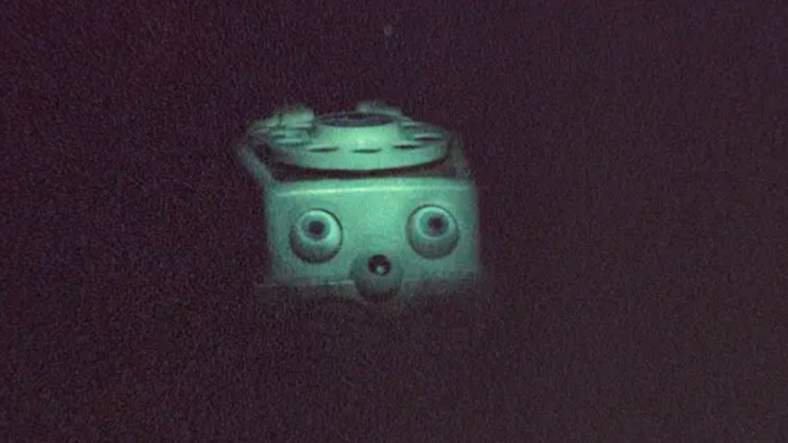
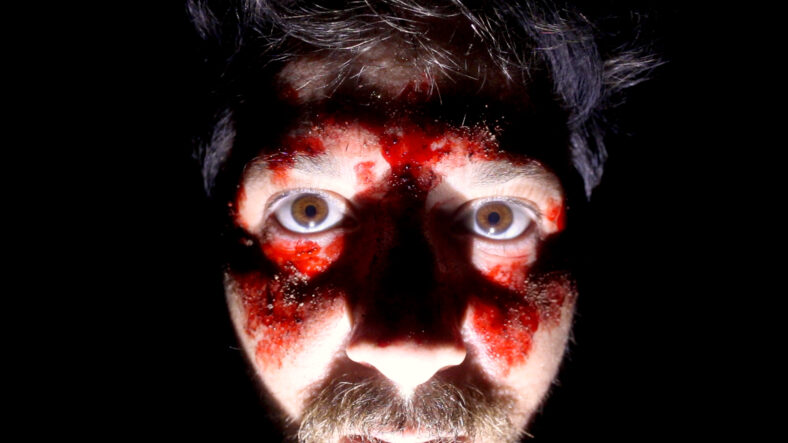
Leaked online by internet jerks in 2022, Skinamarink blew up in horror circles. About a pair of young children trapped in an ever-changing house and stalked by an ominous presence, the film was unlike anything most audiences had ever seen. Detractors labeled it as nothing but shots of walls and doors. But, as I do on a regular basis, I’d argue those comments missed the point entirely. Ball’s film took viewers back to those frightening moments as a kid, when you might sneak through the house, afraid you’d be caught by your parents…or something else…at any moment. On a personal level, it recalled my own experience with my parents’ divorce and the horror of a home that suddenly changes overnight.
The Outwaters, meanwhile, may not be obvious in its liminality at first glance, but it fits squarely into the subgenre. In it, a group of friends shooting a music video in the desert suddenly find themselves in a literal Hell, aimlessly running into horror after horror. I wrote that the film was the closest I had ever seen to a movie capturing the sensation of dying, and I stand by that. The characters find themselves in a state of death, caught between reality and the darkness of what lies beyond.
Lesser-known examples of the subgenre have popped up over the years as well. Filmmakers Gavin Charles and Alex Conn have unleashed not one but two entries in their Noclip franchise. Based on the term referring to the collision of solid objects in gaming, the series sees the two playing themselves as they get lost in the expansive halls and parking garages of a massive mall. I’m not exactly praising either film as high art—it’s like if Jay and Silent Bob got Skinamarink-ed—but these movies speak to the ever-growing popularity of the subgenre, with young filmmakers experimenting in the liminal playground.
In 2026, the liminal horror genre has sucked audiences into inescapable terror in a big way.
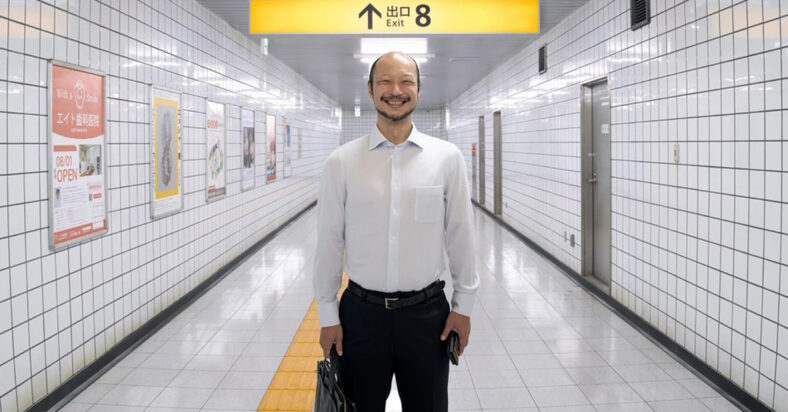
Pictured: Yamato Kochi in Exit 8 (courtesy of Toho)
Earlier this year, viewers got lost in Kawamura’s Exit 8. Based on the popular Japanese video game, the film follows a Lost Man (Kazunari Ninomiya) who finds himself stuck in a loop in a subway tunnel. To escape, he must recognize various anomalies—many of them terrifying—going forward when he can and turning back when he must. With themes of fatherhood and fears over whether the man can take care of the child his ex is pregnant with, Exit 8 delivers a prime example of liminal horror and that space between one moment in life and the next. Polished and wonderfully executed, Dread’s own Josh Korngut even referred to it as “the best video game adaptation ever made”. While I wouldn’t go that far—I love you, Werewolves Within—the film is second only to Backrooms in the studio push behind it during this era where we have begun to define certain films as “liminal horror”.
Speaking of Backrooms, Parsons’ film has had such a large investment put into it that it’s become the target of internet speculation as to whether the filmmaker directed it himself. A24 handed over a lot of money to the 20-year-old director, expressing intense belief and excitement in the project. With talent such as James Wan involved as a producer, some believe that Parsons had help at the very least, though star Mark Duplass recently shut down those rumors.
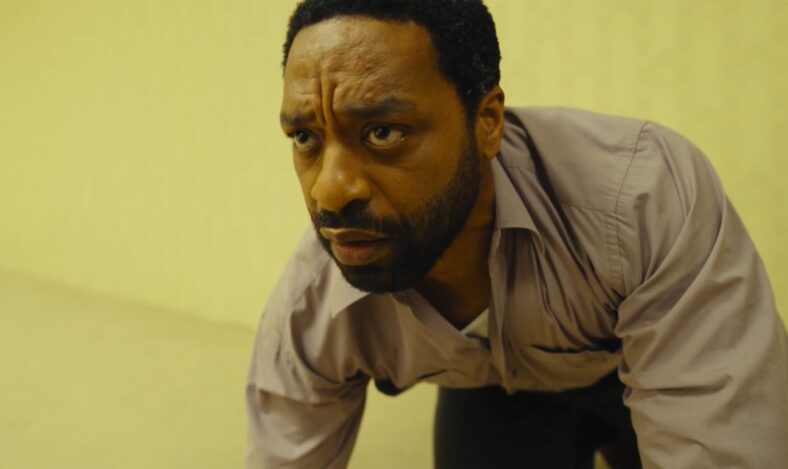
Chiwetel Eijofor in Backroom (Courtesy of A24)
In Backrooms, Chiwetel Ejiofor plays a furniture store owner who discovers a portal that transports him into a labyrinthian maze of yellow rooms/hallways. Again, liminal horror has existed since the beginning of time. But Backrooms marks the biggest film to carry the label to hit theaters to date.
So, why now? Why the expanding interest in liminal horror? The obvious answer is that it’s a result of the popularity of such things as Parsons’ Backrooms and the ever-growing valley of liminal horror games and CreepyPasta tales. But I think there’s an answer that goes deeper than that.
At their core, liminal horror films revolve around characters who are lost…literally and figuratively. People who have found themselves in some sort of transitional period between existences. There’s the way we came, a place we can never go back to. And the way ahead, often dark, vague, and utterly terrifying. I don’t have to get down and crawl into the minefield of why most of you can probably relate to that feeling right now. You’re living it, after all. Between the rise of autocracy, flaring tensions around the world, a widening gap between the wealthy and the poor, and too many others to list, we’re all facing a sense of extreme uncertainty these days.
Pictured: Robbie Banfitch in The Outwaters (Courtesy of Cinedigm)
My friends and I like to joke that at some point during the 2010s, the Earth must’ve entered a black hole…or we all died and woke up in some alternate universe. Take your pick. The fact of the matter is, for whatever reason, we haven’t felt right lately. Trapped between what we thought we knew and what lies ahead. Wandering a maze we can’t seem to break free from. Is that a light at the end of the tunnel, a furious minotaur, or more maze? We don’t know, and we’re all carrying that dreadful sense of not knowing with us.
Movies, especially horror films, have a way of reflecting what society is experiencing. That’s why us fans of the genre adore it. Because it helps us face that monster of the day, the week, the year, or even the decade. Times will change, and along with them, the fears of the moment. They always do.
But for now, I hope you enjoy these unnerving adventures into the abyss of space and time. The liminal horror genre is here to stay.