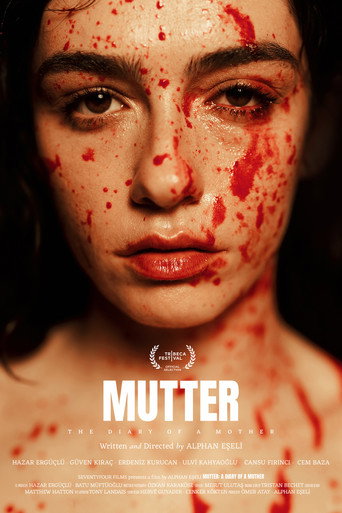
‘Mutter: The Diary of a Mother’ Review – A Harrowing, Subversive Creature Feature [Tribeca]
‘Mutter: The Diary of a Mother’ is a harrowing, subversive creature feature out of this year’s Tribeca Film Festival.
![‘Mutter: The Diary of a Mother’ Review – A Harrowing, Subversive Creature Feature [Tribeca]](https://www.dreadcentral.com/wp-content/uploads/2026/05/MUTTERTHEDIARYOFAMOTHER_1-e1780260291378.jpg)
Lil’ guy cinema is back courtesy of Mutter: The Diary of a Mother, Alphan Eseli’s stunning, gut-wrenching horror parable premiering at this year’s Tribeca Film Festival. Honoring the legacy of horror classics such as Rosemary’s Baby and even It’s Alive, Eseli’s Turkish feature is a hellish descent into madness and the never-ending, inexorable limits of a mother’s love. It’s a stunning film, indicative of a singular voice using horror to grapple with longstanding stigmas and prejudices. And, luckily, it’s got an adorable monster at its core.
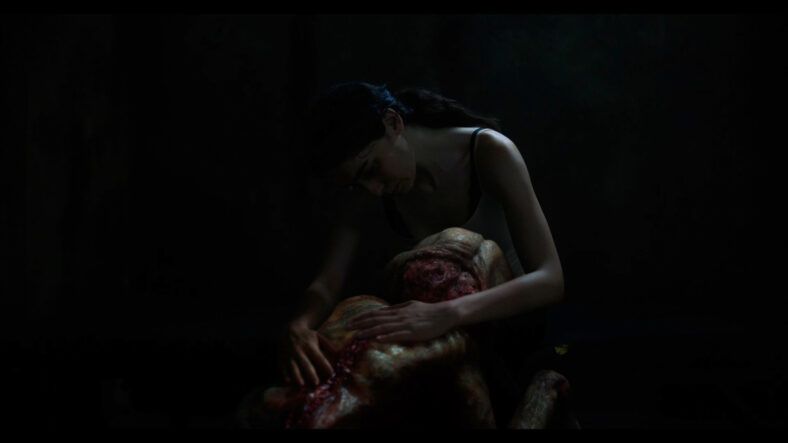
Gül (Hazar Ergüçlü) is panicked in the backseat of her partner’s truck as they speed down a rural road. She gives birth, and upon seeing what’s been born, her partner flees into the woods, leaving Gül all alone with their child. The baby, however, isn’t quite human, and while the official festival synopsis describes the infant as “hideous looking,” it’s really just a cute lil’ guy, albeit very much alien and monstrous with a distinct taste for raw meat and human flesh.
Mutter is hermetic and episodic, playing out over title cards such as “Birth,” “Hunger,” and “Macabre.” Socio-politically, Eseli’s fable is less interested in the why of the monstrous birth and instead uses the offspring as a metaphor for Gül’s isolation and lack of community support. Her husband has fled, she’s left alone in a dilapidated, rural cottage that stinks and rots, and the one kind figurehead in her life, the older Ecran (Güven Kiraç), really just wants her for sex. The minutiae of Gül’s life is as harrowing as the firm horror elements, calling to mind this century’s best social horror outings (see Piggy’s remarkable sense of place).
Long before the baby arrived, Gül was on her own, and she’s marginally capable despite the hegemonic pressure to shut down and give up. She nonchalantly picks at her nipple with tweezers (in a gnarly bit of body horror) after she breastfeeds her baby. Her setting is viscous and disorienting, isolated in the way Özkan Karaköse frames her remote home, as if she’d already been living in the bowels of Hell. The horror is cyclical, destined to endure long after Gül, certainly present long, long before.