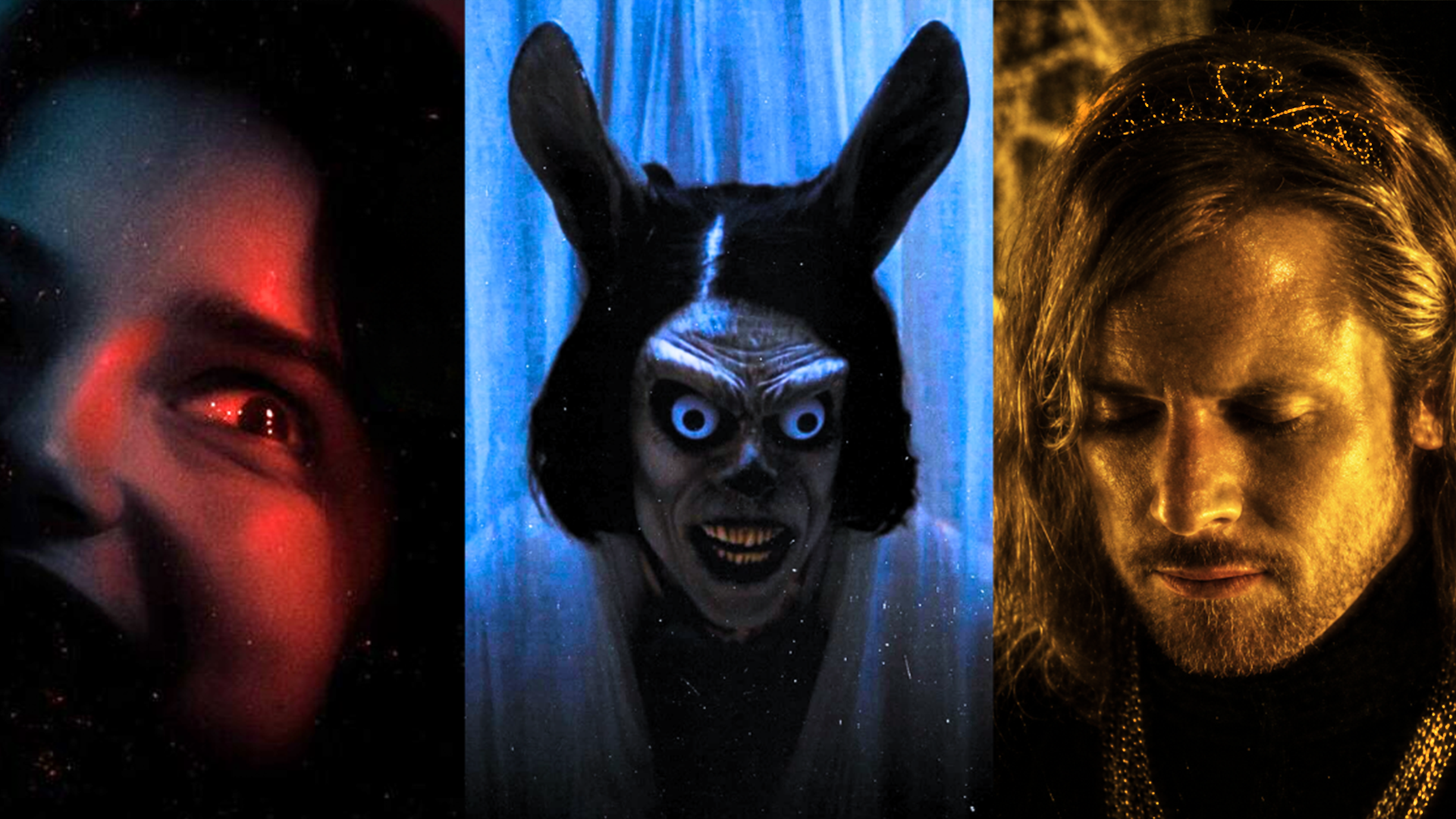
From Curry Barker’s ‘Obsession’ to Sam Raimi’s ‘Send Help,’ here are the top 10 best and most unmissable new horror movies of 2026 so far.
Horror in 2026 is continuing to turn heads and demand attention, respect, and reverence. While genre cinema has always been the safety net of the entertainment industry, the massive successes of original titles like Obsession, Backrooms, Hokum, Send Help, and Iron Lung have made one thing clear: indie horror and its bold new wave of visionaries are steering the pop-cultural ship right now. And oh boy, I love to see it.
Beyond commercial success and mainstream approval, the year has been defined by overlapping creative trends: the continued rise of liminal horror in films like Exit 8 and Backrooms, and the arrival of digital-native filmmakers like Curry Barker, Kane Parsons, and Markiplier as serious genre voices. It has also brought a welcome return to horror that’s actually scary in the old-school, meanest sense, with spooky yet nasty titles like Hokum, Obsession, and Faces of Death.
And while it’s never polite to say “called it,” Dread Central is proud to have been an early supporter of several of the most critically important films on this list. More on that as they arise. Below are the ten horror films that stood out most to us in the first half of this year.
10: Send Help (20th Century)
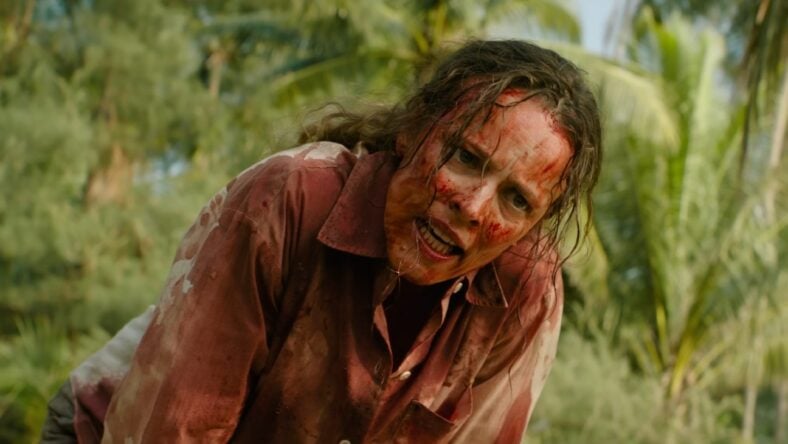
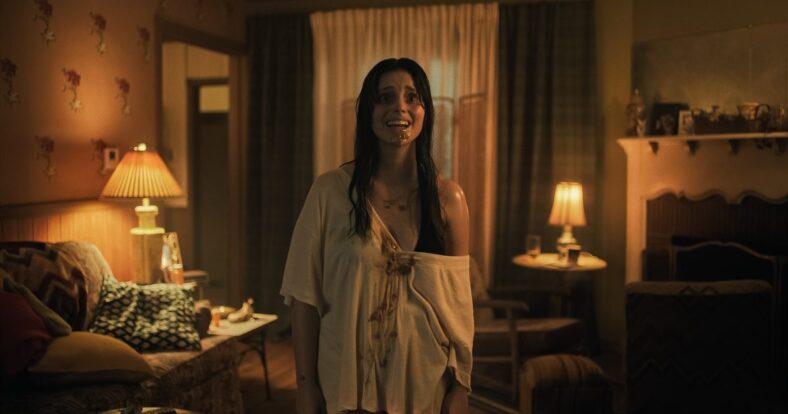
It’s been a long time since we’ve been blessed with a straight-up Sam Raimi genre release, and Send Help is a welcome return to his distinct style and menace all throughout. Blood, pus, and other bodily fluids fly into faces, visions of the dead jump out of nowhere, and zombified bodies are treated like Punch and Judy puppet shows. is an entertaining and often funny ride, due in no small part to exceptional headlining performances from and, not to mention that hell of an opening act. Whiledoesn’t fully commit to the teeth it keeps insisting it’s got, what remains is a deeply enjoyable survival thriller from an undisputed hero of horror. Our full
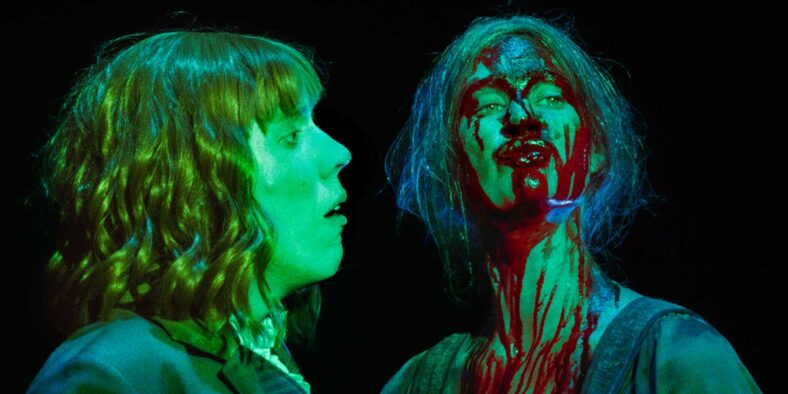
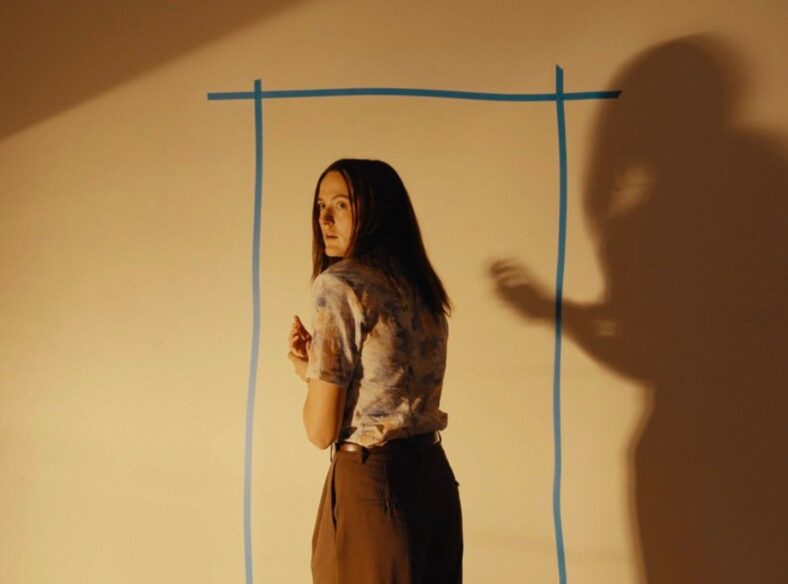
Grace Glowicki’s Dead Lover is a scrappy and transgressive indie unearthing that reeks from its themes of love, death, and transformation. Shot on 16mm Kodak film in a Toronto studio, this high-camp exercise consciously and confidently evokes the intimacy of black box theater. Glowicki uses minimalist sets and stark vintage lighting to spotlight her tiny ensemble of performers around its central figure, a stinky lady-gravedigger whose yearning for love and touch is nothing if not relatable. Like Lars von Trier’s Dogville, Dead Lover rejects spatial realism in favor of captivating, performance-driven storytelling. It’s smelly, messy, sweatey, and we’re lucky to have it. Our Sundance review.
8: Faces of Death (Shudder/IFC)
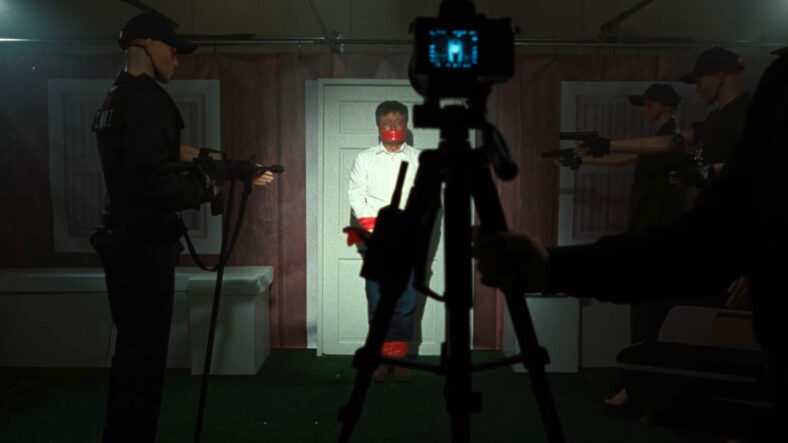
Ugly, mean, and difficult to watch, Faces of Death is a clever modern take on a franchise that’s always capitalized on our natural morbid curiosities. Following a content moderator (Barbie Ferreira) as she becomes suspicious that a series of videos that look falsified might just be real, it enters a brand-new era where real-world atrocities, violence, and death are endlessly circulated, commodified, and consumed with easy access. With an award-caliber performance from Dacre Montgomery, Daniel Goldhaber and Isa Mazzei’s update on the bottom-shelf horror franchise can be flagged as content that’s both dangerous and urgent. Our full review.
7: undertone (A24)
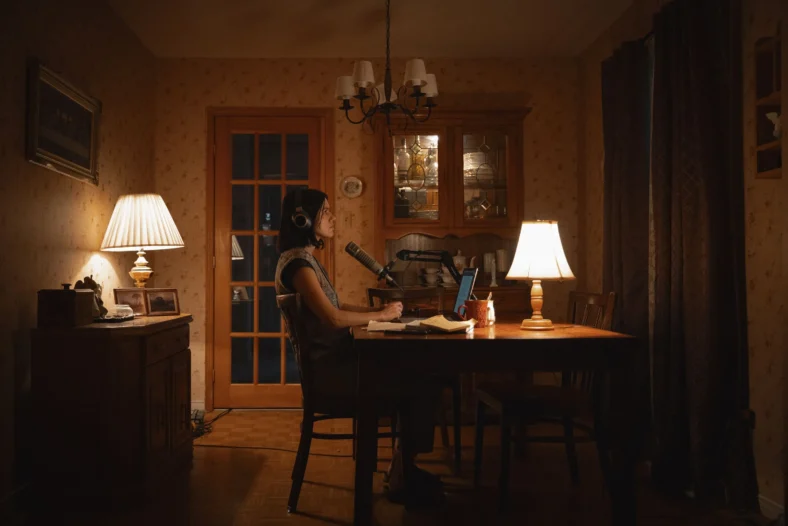
Ian Tuason’s debut, undertone, uses sound and performance in perfect disharmony to craft a frightening experience for fans of intimate, slow-burn horror. His film succeeds, in part, because it understands its scope without being confined by it. Instead, Tuason seems to find creative freedom in its structure. Grounded performances, precise control of story, and a clear command of sound and space anchor undertone as it stretches its arms well beyond its handful of walls. And while it might gesture toward highly recognizable tropes, its confidence suggests a filmmaker worth paying close attention to as he enters Paranormal Activity country next year. Our Sundance review.
6: 28 Years Later: The Bone Temple (Sony Pictures)
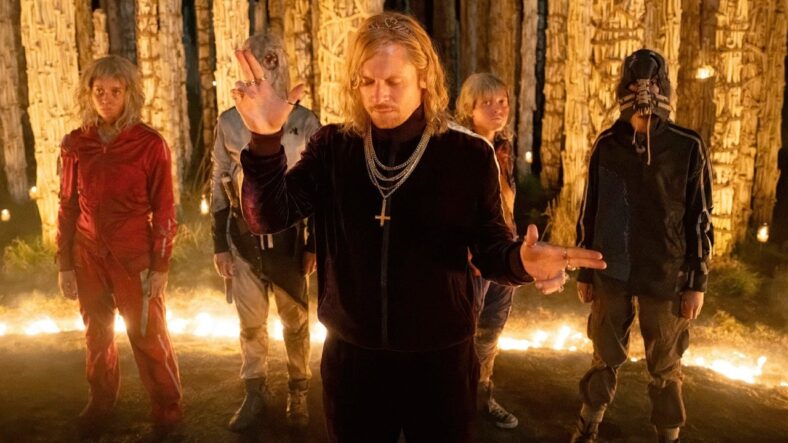
Nia DaCosta’s 28 Years Later: The Bone Temple is an inventively brutal sequel that quietly pushed boundaries when it was released to little public excitement earlier this year. While it may have underperformed, the film’s use of gut-wrenching violence is both emotionally and viscerally unflinching in its extremity. Yes, I’m referring to the “shirt removal” sequence. DaCosta understands brutality not as spectacle alone, but as a way of discussing belief systems, power structures, and the cost of survival in a world where ideology has long since cannibalized compassion. And this all comes crafted by DaCosta (Candyman), a Dread Cover story alumni, and one of our genre’s most important young creative voices. Our review.
5: Backrooms (A24)
Backrooms is more than a competent horror film with an expertly assembled cast, sleek cinematography, and a complex narrative about the subterranean emotional roots of who we are and where we come from. It’s a full-blown mainstream cultural phenomenon, rendered by its originator and Dread Central cover story star Kane Parsons. The film’s best horror belongs to its central creature, whose relationship to Clark (Chiwetel Ejiofor) gives Backrooms a jolt of personality and tension. Without spoiling the reveal, the design is large, grotesque, and strange enough to feel pulled from a nightmare rather than a conventional monster movie. Our review.
4: Exit 8 (Neon)
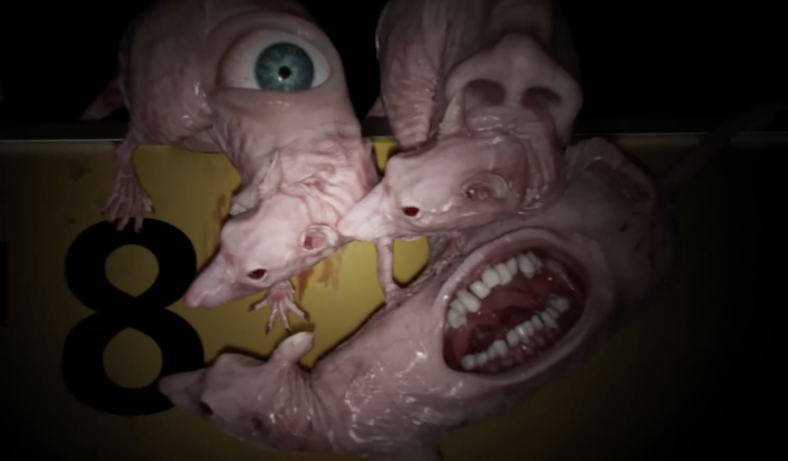
Genki Kawamura’s masterful Exit 8 expertly draws on liminal horror, character study, and realist drama to craft the best video game adaptation of all time. Beyond simply being liminal, it exists in the wider world of No Exit Horror, a term I coined years back for a sub-genre rooted in existential dread, where characters are trapped in singular, oppressive spaces they cannot escape. I took the name, of course, from French writer and philosopher Jean-Paul Sartre, and like his play No Exit, these films trap their characters not just in rooms, but in loops of self-denial, regret, or moral indecision. Exit 8 defines this category for the modern age by producing a pitch-perfect cautionary tale for the emotionally paralyzed. Our Cannes review.
3: Primate (Paramount Pictures)
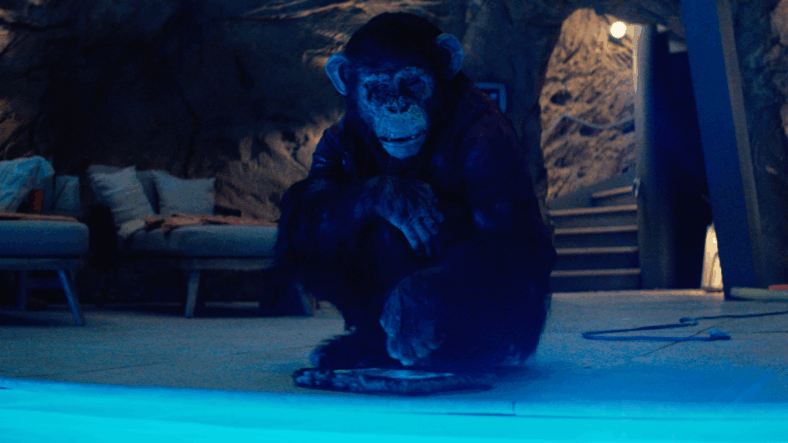
A simple and contained old-school animal attack horror about a chimp with rabies, Primate is feral, brutal, and proudly entertaining. This is the kind of crowd-forward horror that reminds you why watching these movies with an audience still matters in a big fat way. It’s also high time director Johannes Roberts (The Strangers: Prey at Night) started receiving the same cultural reverence afforded to filmmakers like Ari Aster or Robert Eggers. While his work may not chase the same self-serious prestige lane, that distinction shouldn’t be mistaken for a lack of craft. If anything, Roberts represents a different but equally vital branch of modern horror: a filmmaker unafraid to play in the sandbox of fan-forward, fully unpretentious, self-aware genre cinema. Also, Ben did nothing wrong!! Our review.
2: Hokum (Neon)
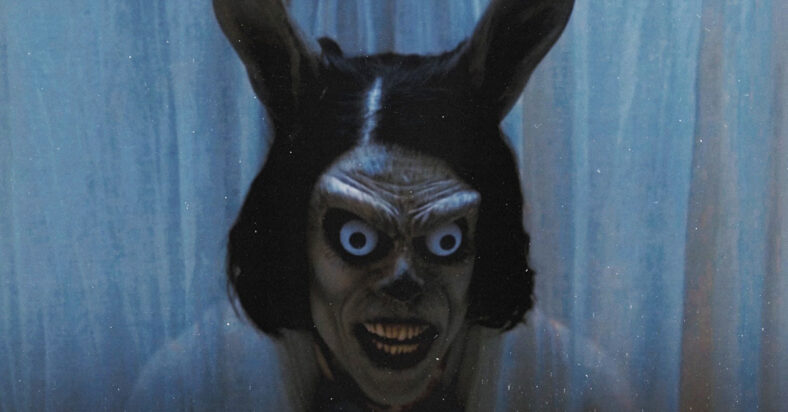
I’ll say it again because I can: filmmaker Damian McCarthy is to spooky horror what Terrifier creator Damien Leone is to gorecore. If Leone treats his films as a form of experimental cinema designed to push the grotesque to its most extreme and fulfilled potential, then McCarthy is pushing the boundaries of spooky cinema to similar extremes. Hokum is gratuitously frightening, and for horror fans with a penchant for classical, gothic scares, it really is groundbreaking stuff.
Never one to overplay his hand, McCarthy fills the supernatural folk horror of Hokum with some of the most deeply unsettling images I have seen in ages. And unlike any other film on this list, it’s the only one this year that had me sleeping with the lights on for a night or two after watching it.
McCarthy also understands the power of restraint. He knows when to show the monster and when to leave something lurking just outside the frame. The result is horror that digs beneath the skin and makes itself at home. There are images in this film that will haunt you long after viewing. Our SXSW review.
1: Obsession (Focus Features)
Curry Barker’s remarkable debut, Obsession, initially presents like a fun teen horror movie, until you get closer and see it’s infected with rabies, shrieking and foaming at the mouth. At its expertly rotten core, it’s Barker’s character of Nikki and her already-legendary portrayal by Inde Navarette that make Obsession so unforgivingly scary. The film’s purest horror lives in its fleeting glimpses of her existential torment and Bear’s (Michael Johnstone) unforgiving burdens of grief and regret.
Nikki’s ghoulishness has all the makings of a newly minted horror icon and is seriously, genuinely startling. Think of Mikey Madison’s fireworks in Anora, then imagine she’s been bitten by a Deadite suffering from the world’s worst migraines. Her suffering is nearly as frightening as the suffering she enacts on those around her. It’s a revelation, and, like with Madison, Navarette is also absolutely deserving of serious mainstream awards-season attention.
On the page, Curry Barker’s Obsession might just look like A24 horror filtered through a Gen Z lens. But in practice, it’s something altogether new: a brutal, expert vision of the next generation of hardcore horror. And if you still haven’t seen it, don’t kid yourself, you’re not ready. I sure wasn’t. Our TIFF review.