Gen Z and millennial filmmakers are using creepypastas and internet lore as inspiration for the next wave of horror storytelling.
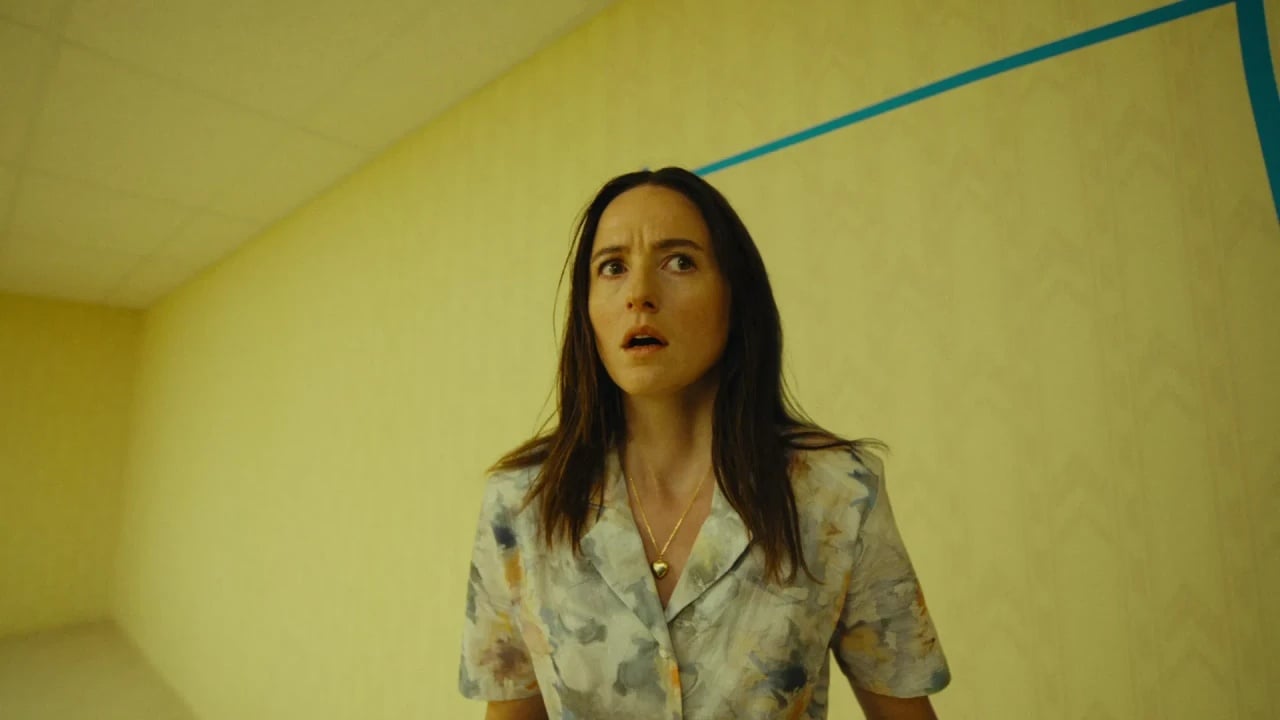
Late last month, Backrooms—Kane Parsons’s hotly anticipated directorial debut, an adaptation of his 22-part YouTube series based on the iconic 4chan creepypasta—opened to a staggering $82 million in North America, with roughly 86 percent of ticket buyers under 35.
The film’s success made Parsons the youngest director in Hollywood history to land the number-one movie in America since Josh Trank’s 2012 sci-fi thriller Chronicle. More importantly, this achievement serves as proof that audiences—especially Gen Z and millennial audiences, who see movies around seven times a year compared to 6.1 times for Gen X and 5.7 times for baby boomers—are hungry for original storytelling.
Of course, it doesn’t hurt if that story is based on a beloved creepypasta. For many millennial and Gen Z audiences, internet-born horror stories have become the modern-day campfire tales and urban legends, and now that the generations who grew up with this content are old enough to write and direct major studio films, it’s no surprise that these creepypastas have found their way onto the big screen.
Parsons’s isn’t the first internet-inspired horror movie to make the jump from the computer screen to the theater, but it’s definitely the most successful so far. In 2015, Blumhouse teased a possible adaptation of Jeff the Killer, a creepypasta turned meme about a teenage serial killer who was disfigured after fighting off bullies. With his jet-black hair and Glasgow smile, he became extremely popular among teenage girls who wrote romantic fan fiction based on the source material and uploaded sexy illustrations to DeviantArt. Unsurprisingly, the project never materialized (and I don’t think it ever will).
A few years later came The Soviet Sleep Experiment, a forgotten 2019 adaptation of the popular creepypasta “The Russian Sleep Experiment” starring Chris Kattan. Neither of these projects left much of a cultural footprint (I forgot about the Blumhouse tweet until it resurfaced last week via a repost by @MrCreepyPasta0), but in retrospect, they were signs that studios were already looking online for the next big horror hit.
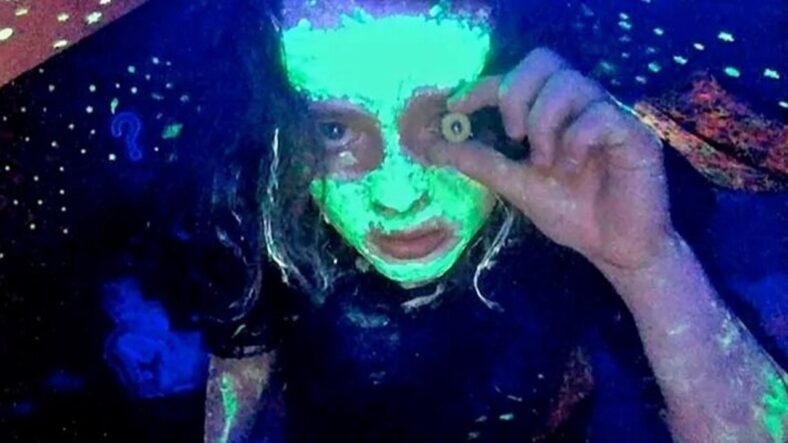
Then came Jane Schoenbrun’s debut, We’re All Going to the World’s Fair. Though it wasn’t based on an existing creepypasta, I’d argue this was the first time we saw a filmmaker accurately capture how disturbing some of these stories are while also understanding what makes this content so appealing to young people. Casey (Anna Cobb) is a lonely teenage girl who becomes consumed by the World’s Fair Challenge, an online role-playing game/creepypasta where participants document their psychological and physical changes as they play online.
Instead of focusing on the frightening nature of the creepypasta itself, We’re All Going to the World’s Fair recognizes that this content provides young people with a sense of belonging and collaboration, two things teens are actively looking for as third spaces and funding for extracurricular activities become increasingly scarce (it’s interesting to note that the film was released in the United States in April 2022, roughly around the time certain COVID restrictions were being lifted and most Americans were returning to “normal,” but nothing felt like it all—for many young people, this was the first time they had to process living through a major devastating event).
But as Casey soon discovers, this kind of entertainment can have unexpected consequences. Because of the interactive nature of some of these creepypastas, the line between what’s real and what isn’t can start to blur. And nothing demonstrates this better than Slender Man, who became the subject of Irene Taylor Brodsky‘s disturbing 2016 documentary, Beware the Slenderman.
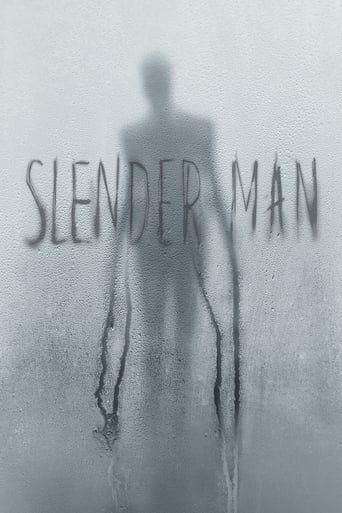
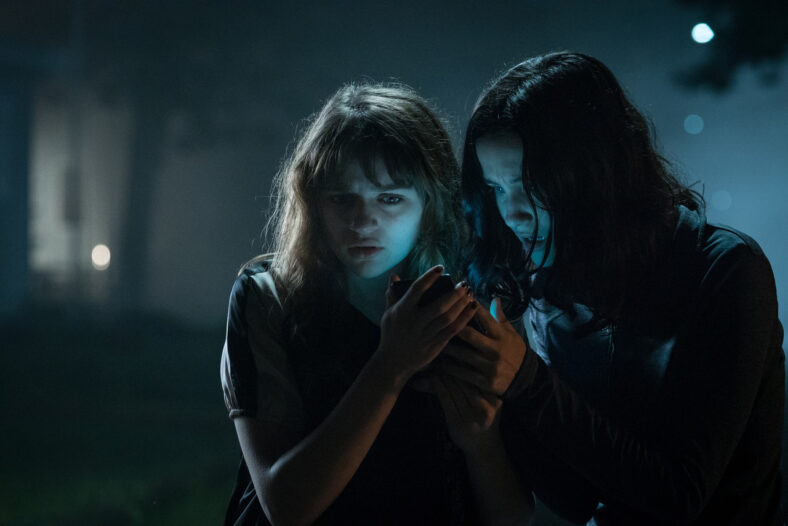
The documentary tells the true story of two 12-year-old girls who attempted to murder their classmate in an effort to please Slender Man, a tall, faceless modern-day Boogeyman, in 2014. The case created a moral panic regarding Slender Man and content inspired by him, yet despite the controversy, the character received a feature film adaptation in 2018 starring Joey King. Much like The Soviet Sleep Experiment, however, Slenderman has mostly been forgotten.
Perhaps this had something to do with the fact that the film came out nearly ten years too late. Slender Man was created in 2009, and though the iconic images of him edited into the background of old black-and-white photos turned him into a worldwide phenomenon, inspiring all kinds of stories, fan art, and a web series, he was already becoming somewhat tired by the late 2010s. The generation that first fell in love with him had grown up, and the next generation was moving onto something arguably more frightening: instability and the unknown.
As I wrote earlier last month, we’re seeing so many interesting filmmakers come out of YouTube, including Kyle Edward Ball, director of 2022’s divisive horror hit, Skinamarink. Ball, like Schoenbrun, understands that one of the most unique things about horror content online is the interactive element. With his hit web series, Bitesized Nightmares, Ball encouraged viewers to submit their recurring dreams and nightmares, which he would later adapt into “spine-tingling ASMR” videos. These videos eventually became a viral 30-minute proof of concept called Heck, which would later become Skinamarink.
Just like We’re All Going to the World’s Fair, there’s a strange, almost dream-like quality to the film, a kind of haziness that makes you wonder what is real and what isn’t. Is this a nightmare? A child’s fuzzy interpretation of a traumatic experience? Are we supposed to take this literally? Ball offers us no answers, but that’s part of the appeal.
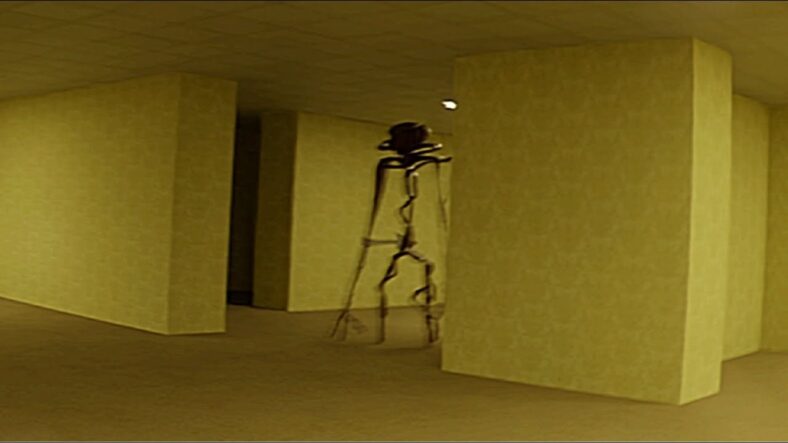
This, of course, leads us back to Backrooms. The concept of “the backrooms” and liminal spaces was becoming popular online around 2019, just a year after the Slender Man hype finally died down. A photo of an eerie office space covered in chevron wallpaper was uploaded to 4chan after “an anonymous user…ask[ed] users to ‘post disquieting images that just feel ‘off.’” Inspired by the image and the lore people were creating around it, a then-16-year-old Parsons uploaded his viral video, “The Backrooms (Found Footage),” to YouTube in 2022. Four years later, his adaptation would become one of the biggest horror hits of the summer.
Not every creepypasta or piece of internet horror is destined for cinematic greatness, but as millennials and Gen Z continue to shape the entertainment industry, the stories that we used to read online or share on YouTube and Discord will continue making their way to theaters. And I personally can’t wait to see what corner of the internet will be brought to the big screen next.