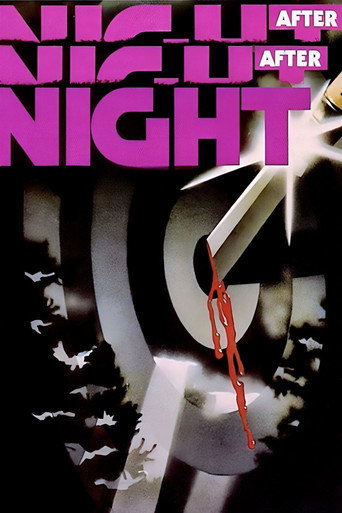
‘Night After Night’s’ Surreal Chills Deliver [Chattanooga Review]
‘Night After Night’s’ surreal, hypnotic horror might risk confusion, but Josh Lobo’s feature remains a heady trip worth taking.
![‘Night After Night’s’ Surreal Chills Deliver [Chattanooga Review]](https://www.dreadcentral.com/wp-content/uploads/2026/06/NightAfterNight_1.png.jpg)
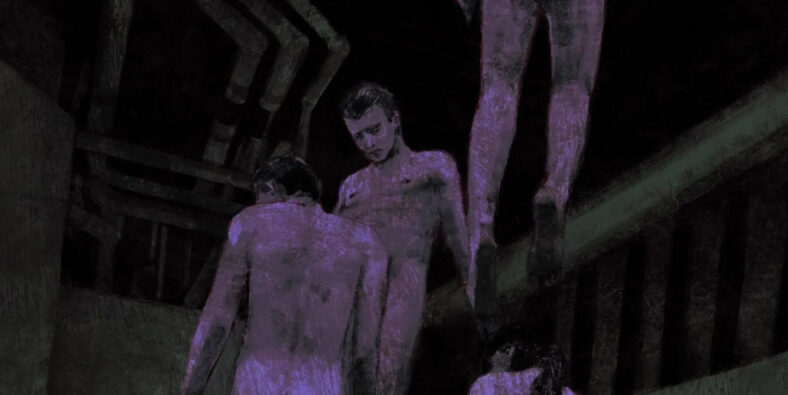
Night After Night’s high-concept, Creepypasta-Esque synopsis is deceptive. Josh Lobo’s sophomore feature bears thematic and stylistic DNA with his debut, I Trapped the Devil (a great addition to your Christmas horror rotation), and it’s just as intentionally confounding and disorienting. The premise promises two security guards haunted by a mute specter. The figure returns every evening without explanation, hanging over the film’s mind-bending structure like a ghost you just can’t shake.
The conventional narrative, packed tightly within the more Satoshi Kon sensibilities, follows Andy (Scott Poythress) and Willis (Johnny Sibilly), two overnight guards at a private university whose personal lives intersect with a mute apparition that appears just after the sun goes down without fail. The oppression is obsessive, at times gruesome, and Lobo’s feature starts with a fractured grip on reality and only spirals from there.
Much like I Trapped the Devil (or even Recluse, the Tribeca hit Lobo produced), Night After Night is largely experimental, culling influence from anime, J-horror, The X-Files, and other sci-fi/horror benders for something approachable and familiar, yet still singular in evocation and execution. It’s a very strange movie, and it demands active attention as its sordid vibes wash over you. In a sense, it’s almost the antithesis of the passive horror cinema we get too often these days, the kind where you can play an entire gauntlet of Royal Match on your phone and still follow along (not that you should be doing that).
Alexis Louder stuns as the cryptic Janica, Bryce Holden’s cinematography dabbles in varied forms, adopting grainy security footage and infrared lensing to augment the unnerving atmosphere, and Simon Waskow’s score is suitably thrumming. In the interest of full disclosure, however, I’m not sure I entirely followed all of it.
The hypnotic scares and commitment to weird, weird vibes were singular and off-kilter enough to sustain interest, even as my understanding of not only what I was seeing but what it all meant started to wane. That’s not necessarily a knock against Lobo’s film. The eight years away from filmmaking after a stunner of a debut look good on him, and Lynchian impulses meet Naoki Urasawa’s feel is nothing short of immaculate. Title cards, Heaven’s Gate homages, and insidious narration punctuate Lobo’s elevated interest in probing deeper, rattling the soul alongside more visceral, tactile impulses.