Kurosawa’s ‘Creepy’ Chills as Much Today as It Did a Decade Ago
As Kiyoshi Kurosawa’s ‘Creepy’ turns 10, Caleb Ward looks back at a horror master’s underrated contemporary classic.

Kiyoshi Kurosawa’s aptly titled investigation into the performance and subversion of social expectations, Creepy, is approaching its 10th anniversary since its US premiere at the Seattle International Film Festival. The setup of a traumatized retired detective moving into a new neighborhood with a shifty neighbor feels, based on narrative conventions, like one that would escalate quickly and intensely. Instead, as is common with Kurosawa, it is a bizarre, slow, and methodically paced descent into investigating community, obfuscation, and social structure.
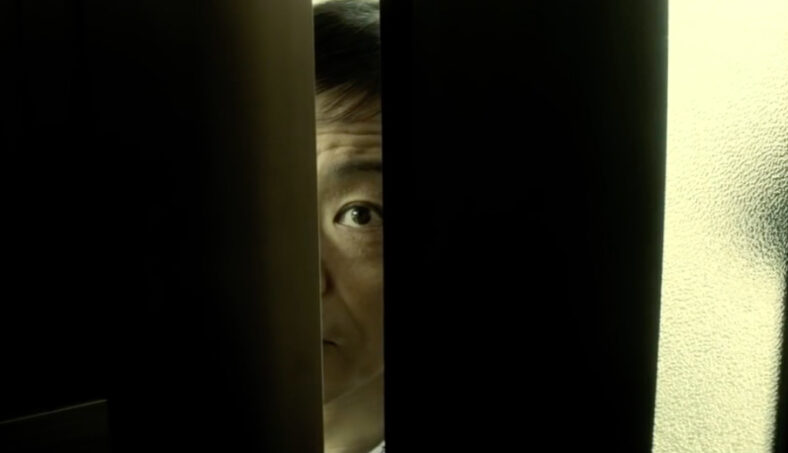
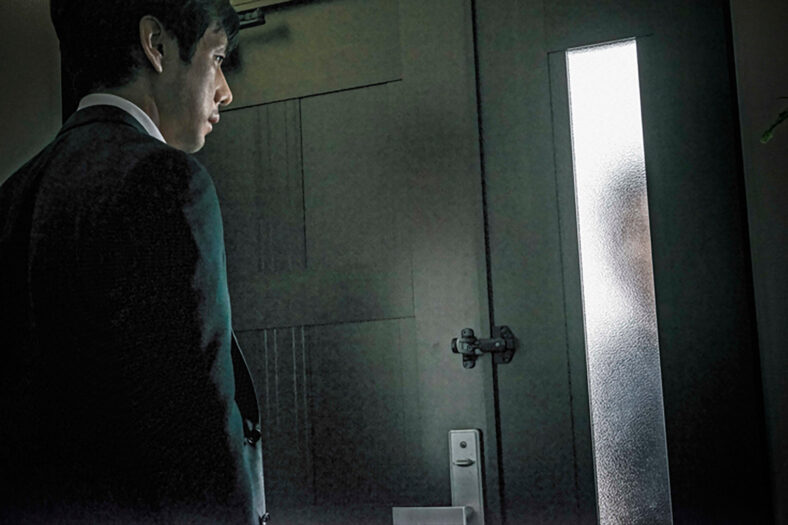
Koichi Takakura (Hidetoshi Nishijima) retires from his detective work, specializing in psychopaths, after an attempt to save someone’s life from a psychopathic criminal fails, and he is wounded in the process. He and his wife move to a new city, and Koichi takes a job teaching criminal psychology in an attempt to move on from this traumatizing event. They meet their next-door neighbor, Masayuki Nishino (Teruyuki Kagawa), who quickly gives them both a bad feeling. The Takakuras’ attempts at kindness and neighborly warmth start to move toward suspicion and nervousness due to Masayuki’s bug-eyed, stilted, and borderline inappropriate behavior and demeanor. As they investigate Masayuki and his daughter, trying to learn more about him, a parallel plotline sees Koichi pulled into exploring a family’s unsolved disappearance from six years earlier by his old colleague, Nogami (Masahiro Higashide). They eventually meet up with Honda (Haruna Kawaguchi), the only remaining member of the family.
Creepy is driven by the fear of what could be possible with the combination of social alienation and polite social expectations, creating an environment easily abused by a psychopath, or really, anyone with nefarious intentions. Kurosawa is pointing toward the theatrics of kindness and sociability, and how some may use those to their benefit. Throughout the film, we see Masayuki barely capable of maintaining an air of normalcy, while the Takakuras exist with a willingness toward connectivity and openness. This is perfectly exemplified in the first instance, where we see them in their new home. The natural lighting seeps through, and the environment feels clean. Yasuko (), Koichi’s wife, initiates a set of introductions to their new neighbors. They are immediately contrasted with one neighbor who is clearly unhappy they showed up at her door, and their next-door neighbor, Masayuki, does not even answer his doorbell.