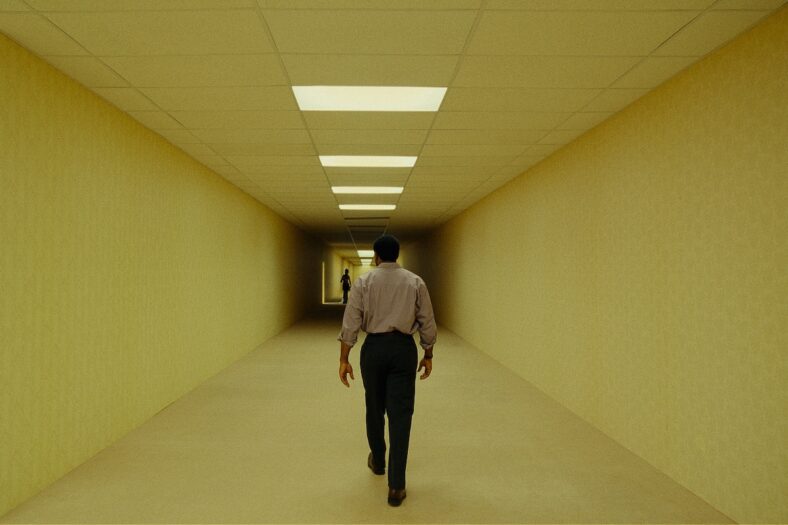
Race isn’t a big factor in the plot of ‘Backrooms,’ but maybe it makes the story more interesting.
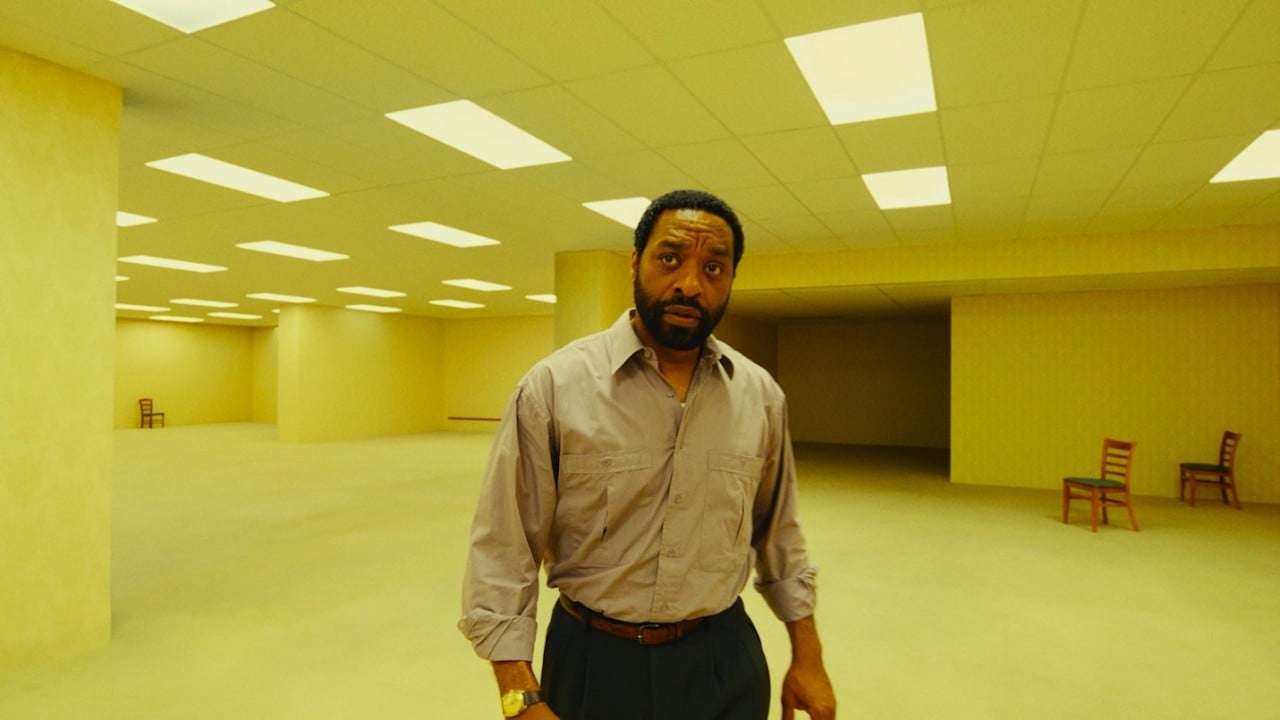
Chiwetel Ejiofor came with his A-game when he played Captain Clark in Backrooms. That’s undeniable. To watch Ejiofor transform from a nervous and earnest furniture salesman to a selfishly intrepid explorer to a psychologically fractured Backrooms-obsessive is to watch a masterclass in acting. Renate Reinsve also brings so much poise and thoughtfulness to all of her roles, so seeing these two be scene partners is a real treat on top of every other aspect of Kane Parsons’ feature film debut.
It was several months of Backrooms mania before I even thought about Clark’s race. This realization surprised me as a horror journalist who is always thinking about intersectionality and as a horror fan who is rooting for everyone to feel represented. I have written so much over the past year about what Sinners means to Black people. As I get deeper into the space, I have taken a lot of joy in connecting with Black horror content creators. I have also enjoyed learning about Black horror history through campy films like Blacula or the sexy, evil Def by Temptation.
Despite race in horror always being at the top of my mind, it didn’t occur to me to think about Clark from Backrooms being Black until I saw a post on Threads to the effect of “Backrooms is what happens when a Black guy doesn’t have any Black friends.” This post was like a fluorescent glow visible through a slit in a basement wall. I decided it was time to get close and press my hand to the surface.
On one hand, I think it’s profound that Ejiofor gets to simply be a guy. Sometimes, it’s nice to just be a regular guy, not a Black Guy™. This simplicity is poignant, given that American audiences largely became familiar with Ejiofor through 12 Years a Slave. While that film is so critically acclaimed and did a lot for the visibility of several actors involved — including scream queens such as Lupita Nyong’o and Sarah Paulson — a lot of Black cinephiles continue to be uncomfortable with the applause around slave films. Since 12 Years’ release, Black movie lovers have been vocal about wanting films that don’t just portray us as gangsters or slaves.
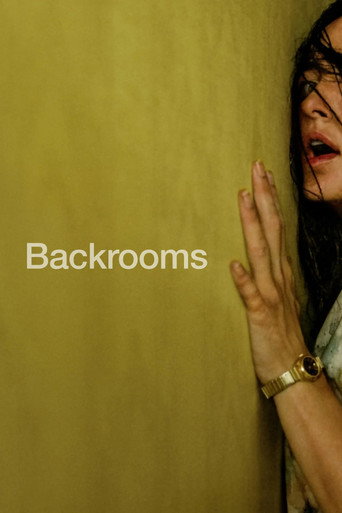
Backrooms would be the opportunity of a lifetime for an actor, Black or otherwise. Apart from the depth of Captain Clark’s character, the lead actor gets to play around with 30,000 square feet of yellow terror, the intrigue of how the Backrooms came to be, and the science fiction behind this metaphysical space. I know horror movie fans are going to be talking about the architecture and allegories of Parsons’ Backrooms for decades to come.
If your trip to see Backrooms in the theater was anything like mine, it was largely filled with rambunctious moviegoers aged 25 years and younger. This is likely because no one loves internet horror more than chronically online youth. Film critics also suspect that Backrooms resonates so much with young people because it’s a physical manifestation of their anxieties. I think there’s something especially striking about Backrooms as a means of thinking about mental health.
Gen Z has survived a litany of real-life horrors since birth, which makes this age group particularly primed for horror on the screen. Still, I think Backrooms can be read as a commentary on men’s health in particular. We can argue about its origins or potential solutions all we want, but the reality is that the male loneliness epidemic is here and it’s real. Every generation of disaffected young men has had different ways of dealing with that feeling. We’re about a century removed from WWII; maybe, instead of the thousand-yard stare, that male loneliness is made manifest in the eeriecore and liminal-space horror-movie craze.
And it’s for this reason that, maybe, Clark from Backrooms being Black is significant. So often, Black people deal with masculinization against their will. A Black man, a Black woman or a Black anybody is liable to face a certain harshness because of the color of their skin. Black maternal mortality is high in the U.S. because doctors have an empathy gap when it comes to Black women’s medical concerns. Cisgender Black women like the Williams sisters or Michelle Obama get biological male allegations all the time.
And, due to racialized norms around manhood, Black men feel pressure to shoulder their mental health struggles, including suicidal ideation, alone. I know some horror movie fans have expressed concerns about Clark from Backrooms being Black mainly because he is abusive toward his wife. People of all races are worried that Backrooms paints Black men in a bad light. As I gut-check, I asked Mark O. Estes, podcaster and self-proclaimed horror blerd, for his take on whether Clark’s race or Ejior’s existence in the space is significant.
“It matters in the sense that it’s a win for Black representation in horror, especially with Clark being a messy, complicated character,” Estes told me. “Some may push against his decisions and say, ‘It’s a bad look,’ given how he snaps at the end. But Chiwetel’s acting caliber elevated the role from being one-note.” And while I’ll never make excuses for men’s bad behavior, I know that hurt people hurt people. Sure, the stigma around mental health challenges affects all people and men of all races. But I wonder what the world would look like if we cracked open the patriarchy and allowed men to be soft, to be vulnerable, to talk about their mental health.”
In particular, societal norms mandate that Black men be strong and stoic. Stanford University psychiatry professor Leslie Adams, who researches Black men’s mental health, summed it up by saying Black men “are expected to endure cumulative trauma, generational trauma of racism, violence, isolation, while being denied the psychological space to process those atrocities.” While Parsons didn’t write Clark with Black men’s mental health struggles in mind, I can’t help but think that the Backrooms are the perfect embodiment of that.