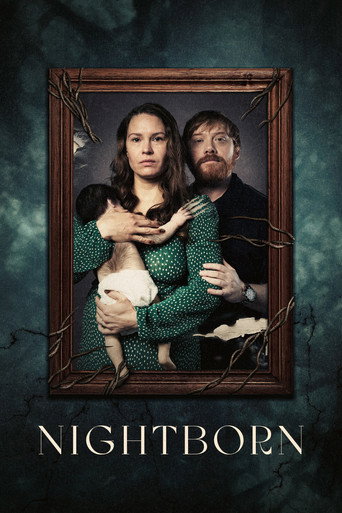
‘Nightborn’ Review: Familiar Yet Unhinged Maternal Horror [Fantasia]
‘Nightborn’s’ penchant for the weird elevates it above the familiar stench of maternal horror antics. Our review.
![‘Nightborn’ Review: Familiar Yet Unhinged Maternal Horror [Fantasia]](https://www.dreadcentral.com/wp-content/uploads/2026/07/NIGHTBORN-Still-2-scaled-e1784214790465.jpg)
I was a massive fan of Hannah Bergholm’s feature debut, Hatching, which premiered at the 2022 Sundance International Film Festival. The absurdist creature feature was part Yorgos Lanthimos, part Argento fantastical, yet still a staggering and singular filmic achievement. I’ve been eagerly awaiting their next feature. At this year’s Fantasia International Film Festival, in her quasi-English debut, Bergholm’s sophomore feature, Nightborn, is having its North American Premiere before its arrival on Shudder later this month. The singularity remains, but Nightborn struggles to exceed the sum of its folkloric parts.
Culling from the contemporary trend of postpartum horror for a new generation, Seidi Haarla’s (fantastic, by the way) Saga welcomes a new baby with her husband, Jon (Rupert Grint of Servant and, uh, other fame). They endeavor to raise the baby “surrounded by nature,” so after a bloody and traumatic birth, they abscond to the Finnish countryside to reno and reside in a home inherited from Saga’s grandmother. The home itself is gorgeous, namely the oppressive green nursery, and it’s as much a character as Saga and Jon, principally in how evocative its shadows and floors are, how it feels as much enjoined with the land and property as the trees and vines.
Like Mother!, Die My Love, and other postpartum horror features not starring Jennifer Lawrence, Bergholm’s depiction of motherhood is bleak and cruel. The body horror is largely exclusive to Saga as her baby (deliberately obscured in this year’s vein of lil’ guy cinema) mutilates her body. The thematic resonance pairs well with Turkish Tribeca premiere Mutter from earlier this year, and both feature monstrous offspring in very different forms. Where Mutter literalized its feral child, Nightborn is more suggestive, concealing the baby’s face while doling out subtle, folkloric hints about the child’s true nature, like hair along its back and its aversion to direct sunlight.