Contrary to what many people assume, most forms of film criticism are indifferent to whether or not the ideas present within a movie were placed there intentionally. The only “rule” is that the critic should be able to justify their personal interpretation with examples taken from whatever is being examined. After all, art discourse usually […]
Contrary to what many people assume, most forms of film criticism are indifferent to whether or not the ideas present within a movie were placed there intentionally. The only “rule” is that the critic should be able to justify their personal interpretation with examples taken from whatever is being examined. After all, art discourse usually says more about the people discussing the work than the artist themself, and that’s why I don’t mind it if you read this article and end up thinking that I’m reading too much into a silly slasher flick.
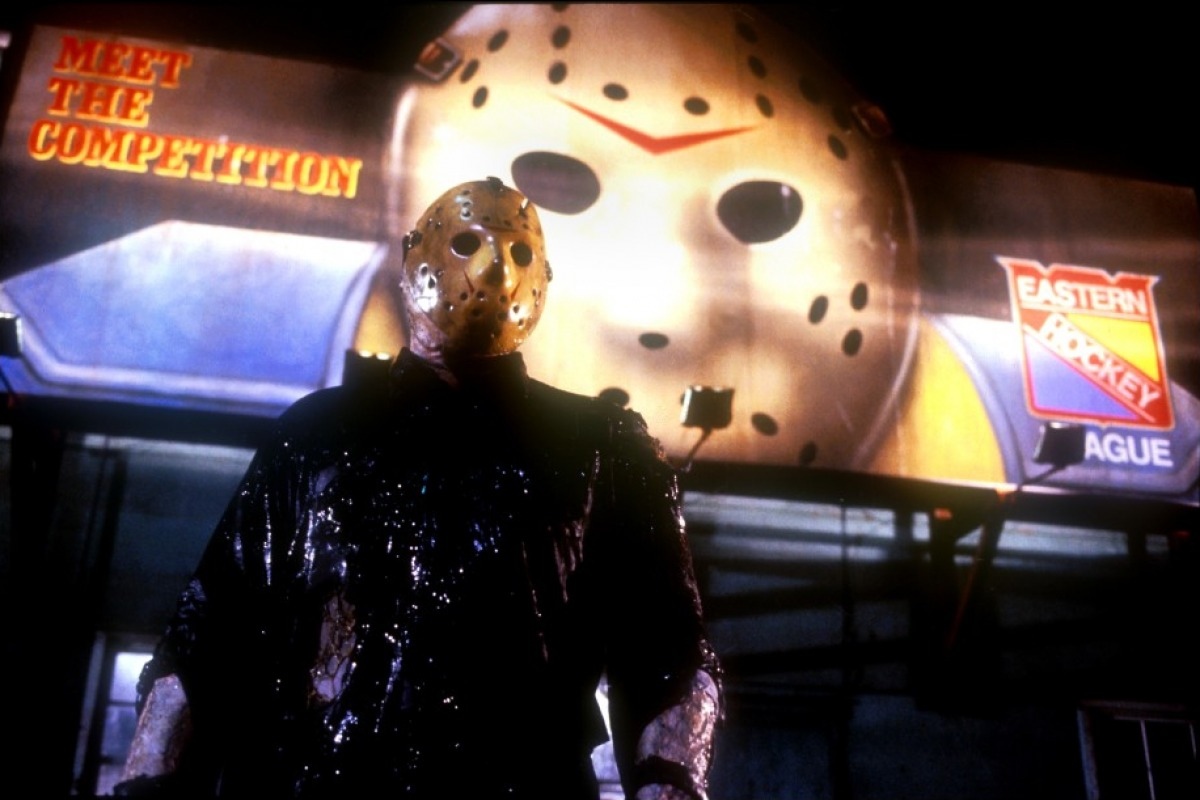
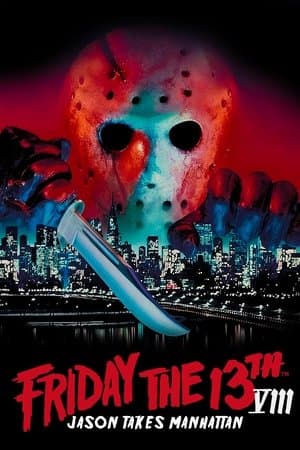
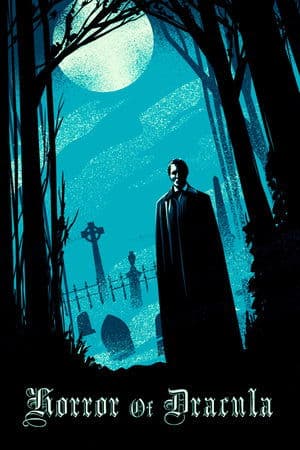
Naturally, the slasher in question is Friday the 13th Part VIII: Jason Takes Manhattan. And with the film celebrating its 35th anniversary this year, this seems like the perfect opportunity to discuss why I believe this over-hated sequel deserves to be re-evaluated as an oddly fascinating (and likely accidental) homage to Bram Stoker’s Dracula. So please join me as I attempt to unravel the possible inspiration for one of the most hated entries in the F13 franchise.
In order to properly dive into this wild comparison, it’s only appropriate that we look back on the ideas that originally informed Stoker as he wrote Dracula, which is why our journey begins long before the iconic Count was even a twinkle in the author’s eye.
In the days before the industrial revolution, it was believed that horror exclusively lurked outside human settlements, taking the form of Big Bad Wolves and Baba Yagas that would patiently wait for naïve children to step out of the safety of their close-knit communities. Whatever mysteries that lay beyond familiar population centers was seen as dangerous and otherworldly, which is what led to the legends and superstitions that eventually gave birth to both blood-sucking vampires and murderous revenants with a penchant for hockey masks.
Of course, this idealized black-and-white view of the world couldn’t last forever, and the population boom of the 18th century (the result of an abundance of resources spawned by technological innovation) led to larger cities and our first taste of true urban chaos. From the widely reported horrors of Jack the Ripper to the fantastical rumors concerning Spring-Heeled Jack – as well the horrors of abusive capitalism – it seemed like evil was finally managing to seep in through the cracks, infecting society like the (then) new diseases attracted to crowded living spaces. And as our fears evolved, legends began to replace the witches and werewolves of old.