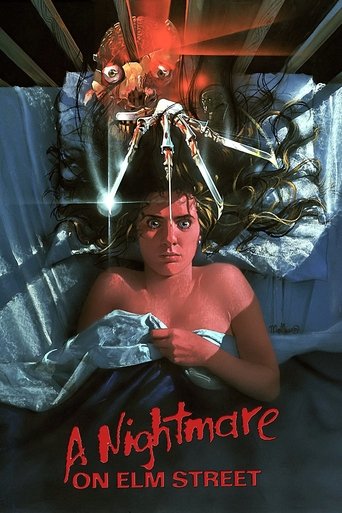
‘Freddy Krueger Is Being Canceled’? This Whole Debate Is Exhausting
Apparently, we’re doing the “cancel Freddy Krueger” thing now, and I’m already irritated that I feel like I have to […]

Apparently, we’re doing the “cancel Freddy Krueger” thing now, and I’m already irritated that I feel like I have to respond.
An iHorror article, reposted on Entertainment Industry Reporter, questions how a fictional child killer became a merchandising phenomenon. It goes as far as declaring, “Freddy Krueger lunchboxes shouldn’t exist.” So, yes, there’s something there for fans to push back against. I read it as an argument that we shouldn’t be celebrating the character.
But an article criticizing Freddy merchandise and an internet-wide campaign to cancel Freddy are two very different things. Look through TikTok’s “cancel Freddy” results and you can watch the conversation for yourself. There’s also a whole backstory debate tangled up in it. From what I’ve seen, there are far more people responding to the supposed cancellation than actually demanding one.
First, let’s get the history straight. Wes Craven is said to have conceived Freddy as a child molester, but that backstory was changed. The finished 1984 A Nightmare on Elm Street identifies him as a child murderer. As remake screenwriter Eric Heisserer explained in a 2010 interview, Wesley Strick returned to Craven’s earlier concept for the remake, which made the sexual abuse explicit. Those versions shouldn’t be casually lumped together.

addressed his own portrayal in an October 2025 interview with : “Freddy’s a pedophile — I never played him as a pedophile.” He also recalled Craven deliberately avoiding that characterization amid a highly publicized child abuse case in Los Angeles.