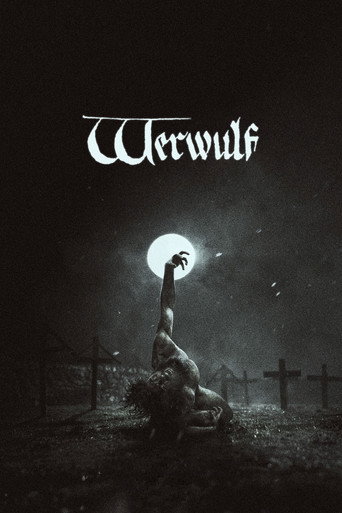
When the werewolf finally breaks through human skin in Robert Eggers’ Werwulf, something underneath is still trying to hold him […]
When the werewolf finally breaks through human skin in Robert Eggers’ Werwulf, something underneath is still trying to hold him in.
“Inside that there is yet another skin, a membrane. He has to burst out of that membrane as well,” creature designer David White explains in the production notes for Focus Features’ Christmas Day release.
“It’s more of an effort for him, and it’s kind of like a rebirth. It’s a really exciting, dramatic scene.”
White, whose creature work goes all the way back to Little Shop of Horrors, built a rig that pushed six-foot-four performer Charles Sandford into the air as he clawed his way out. Seven effects artists worked the transformation with him. Sandford wore a radio-controlled wolf head while three or four people underneath him pulled levers and strings to contort the body he was shedding.
“At the same time, we launch all sorts of bile and blood from these different areas at a certain pressure, using these guns at high speed,” says White.
There was footage shown of Aaron Taylor-Johnson convulsing in a barn that’s the first transformation. Eggers told the New York Comic Con audience that the big set piece comes later. Editor Louise Ford remembers Taylor-Johnson doing his “physical, athletic, gymnastic dance” in the barn some 16 or 17 times.
For the full transformation, Eggers wanted the audience to see one body giving way to another. That’s where visual effects supervisor Angela Barson came in. “Instead of doing a whole series of cuts to transition from one prosthetic piece to another,” Eggers explains, “Angela needed to make all those different practical things seamless.”