Revisiting ‘Faces of Death,’ the Most Controversial Mondo Movie Ever
The Faces of Death’ remake hits theaters soon. To prepare, Anastasia Elfman revisits what made the 1978 so iconic – and controversial.
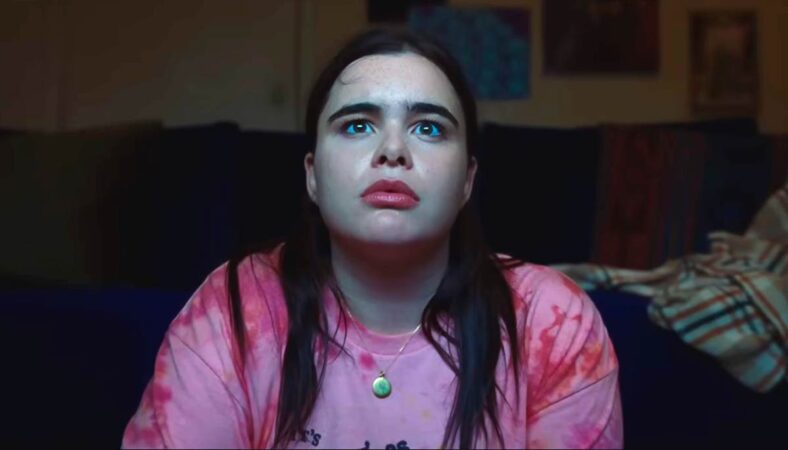
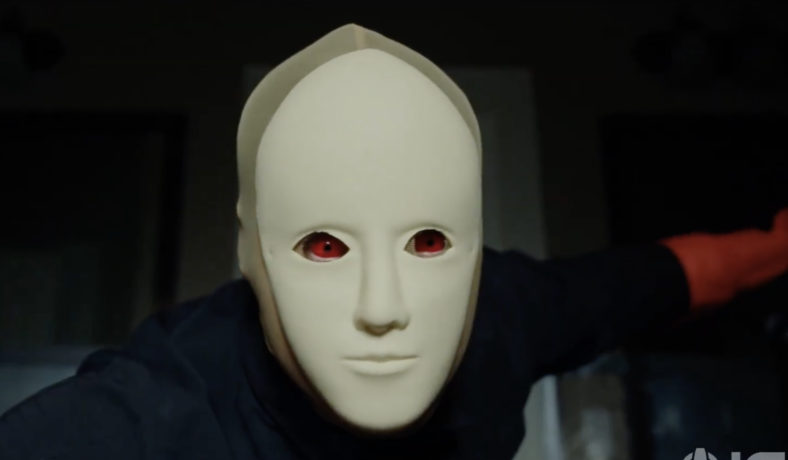
Daniel Goldhaber (50 States of Fright) is about to hit the horror world with a modern reimagining of one of the most controversial horror movies ever made, 1978’s Faces of Death. The upcoming film of the same name, hitting theaters on April 10, explores the original concept — is it real or not? It finds a woman responsible for filtering offensive social media content who discovers a group that might actually be re-enacting the bloody events seen in the original film.
So dust off that VHS player, lock your doors, and prepare to be completely horrified—because we’re diving into 1978’s gruesome shockumentary, Faces of Death! And please be warned, the original Faces of Death is not for the faint of heart.
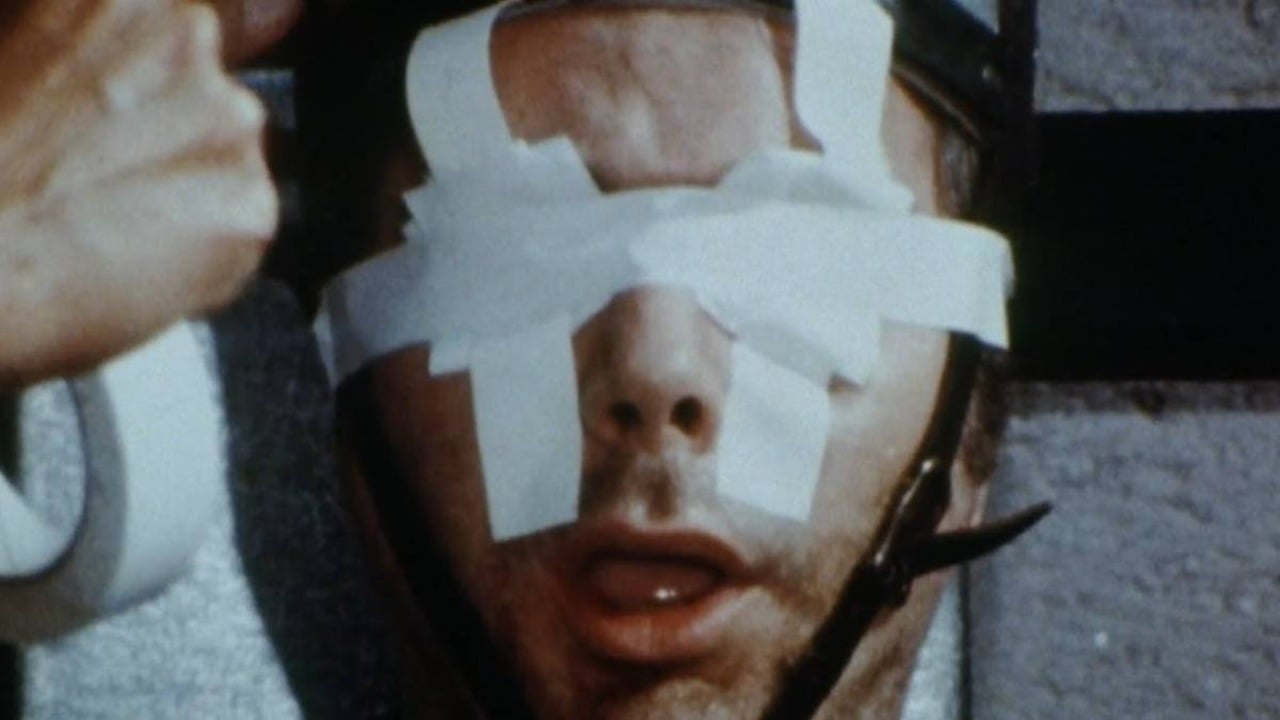
One of the most infamous films in cinematic history, it took the ’80s VHS underworld by storm. With the tagline “banned in 46 countries” and marketed as a documentary showcasing real footage of human and animal deaths, this micro-budgeted film grossed a staggering $40 million (an estimated $200 million in today’s dollars). It paved the way for American Mondo horror, with Faces of Death becoming a cultural phenomenon.
Written and directed by John Alan Schwartz, credited under the pseudonyms “Conan Le Cilaire” and “Alan Black,” respectively, Faces of Death (1978) was heavily inspired by and is considered a prime example of the Mondo Film horror genre. Mondo films, which peaked in the 1960s-70s, are shock-driven pseudo-documentaries focusing on death and taboo subjects, incorporating staged scenes presented as authentic.
For many years, it was rumored to contain actual, illegal “snuff” footage. This was long before shock sites like Rotten.com or disturbing social media videos offered real dead bodies, gore, and violent acts to the masses. Faces of Death filled a curiosity gap at the time about the forbidden and unseen. But is the original film as horrifying as its reputation insists, or is there more to the story?
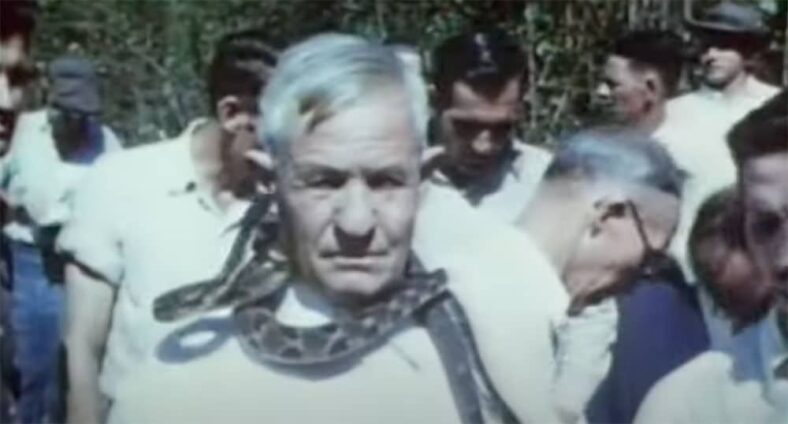
The original film is executed like a traditional documentary, lightly following pathologist Francis B. Gröss, played by , who suffers from recurring nightmares that give him an interest in the transitional periods of life and death. The only issue is that Gröss’s experience as a pathologist has severely desensitized him, which I guess gives him the need to share these violent vignettes with an audience.