Curry Barker Wants to Make ‘Texas Chainsaw Massacre’ Feel Relatable Again
Curry Barker is celebrating the release of Obsession this weekend, the filmmaker’s horror thriller that’s already earning rave reviews and […]
Curry Barker is celebrating the release of Obsession this weekend, the filmmaker’s horror thriller that’s already earning rave reviews and vaulting him to the top of the list of horror directors to watch.
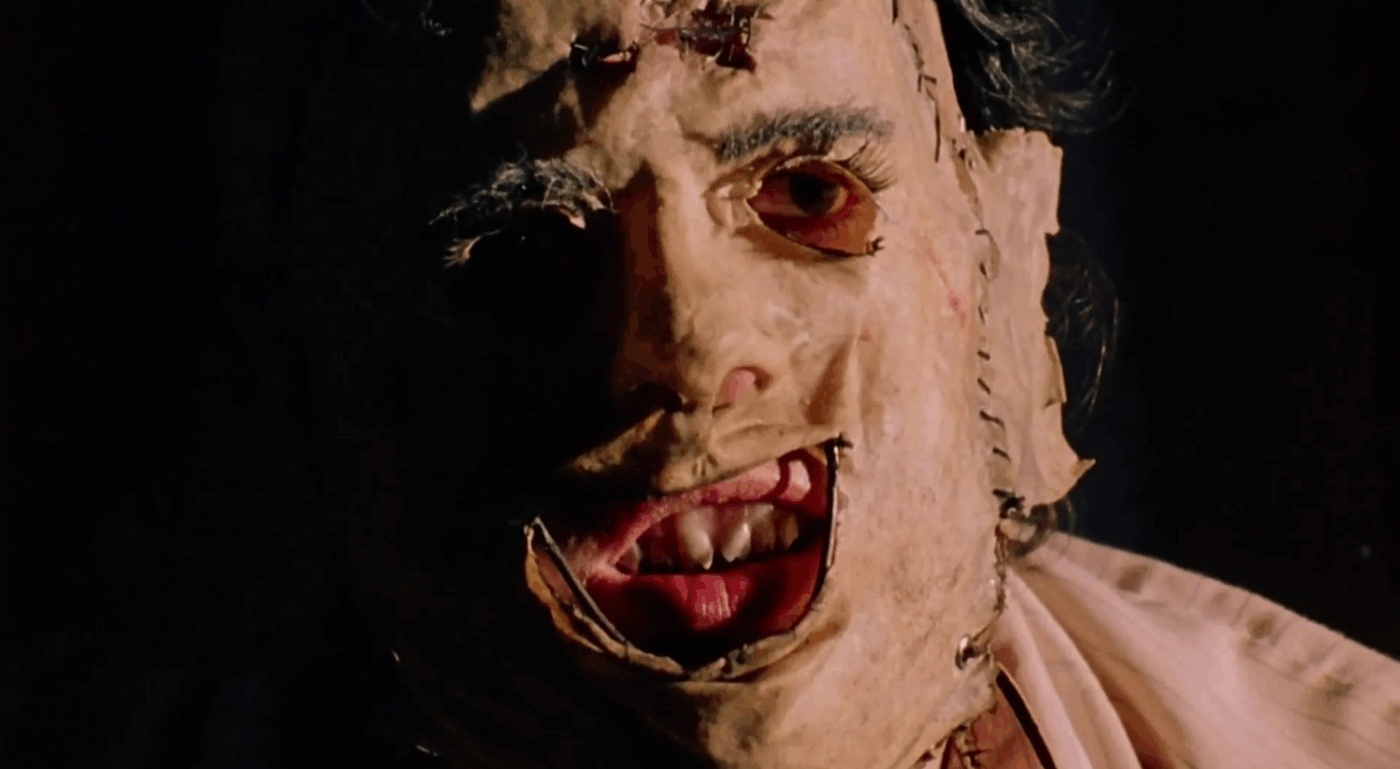
Barker is currently in post-production on Anything But Ghosts for Focus Features and is also preparing to dive into writing the brand-new Texas Chainsaw Massacre movie for A24. We’ve reported on the project several times here at Dread Central.
So far, Barker has talked a lot about emotion, intention, and wanting audiences to connect more deeply with the family at the center of the story. What he really hasn’t talked about until now, however, is the screenplay’s actual starting point and the direction that will kick off the new film.
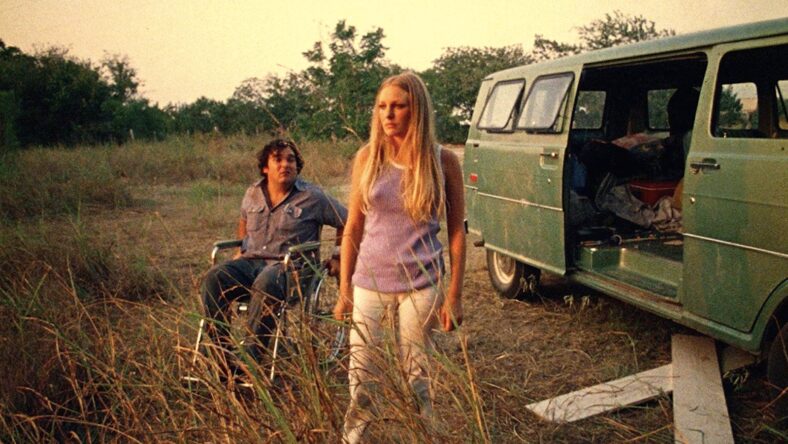
In a new interview with The Wrap, Barker revealed that he wants to make Texas Chainsaw Massacre feel relatable again from the perspective of ordinary people accidentally stumbling into something horrific. The idea is rooted in that feeling of driving down the wrong road and suddenly finding yourself trapped in a nightmare. Think Wrong Turn by way of The Texas Chain Saw Massacre.
“I want to capture the feeling of, If you and a couple friends were driving down the road, and you went down the wrong road, this could happen to you,” he said. “If I can accomplish that feeling within ‘Texas Chainsaw,’ I’ll be proud.”
Honestly, it’s an interesting approach because Texas Chainsaw Massacre has slowly lost some of that relatability over the years. In a world overloaded with technology and constant connectivity, the franchise can sometimes feel harder to connect with on a grounded level.
What’s especially interesting is that Barker apparently still hasn’t nailed down the exact setting. According to the site, Barker said — without providing a direct quote — that whether the film takes place in the modern day, the 1970s, or somewhere in between, he still hasn’t fully decided.