‘Ginger Snaps’ TV Series Reboot “Very Much a Hot Topic,” Director Confirms [Exclusive]
Exclusive: Director John Fawcett confirms the long-developing TV series is still alive, and original stars share what they’d want to see.
![‘Ginger Snaps’ TV Series Reboot “Very Much a Hot Topic,” Director Confirms [Exclusive]](https://www.dreadcentral.com/wp-content/uploads/2026/05/ginger-snaps.jpg)
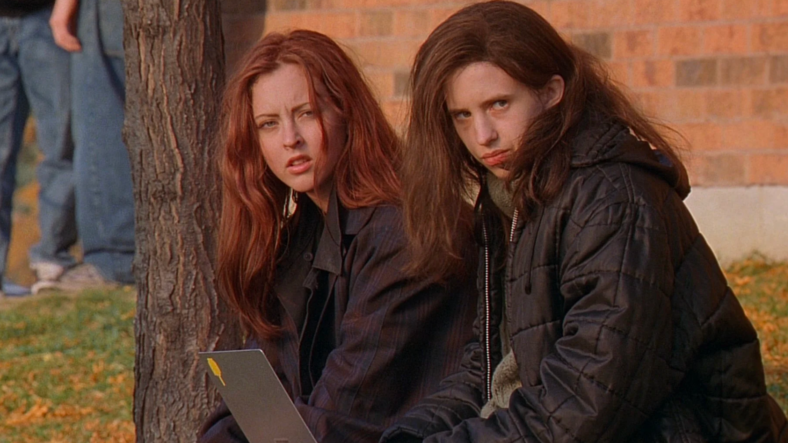
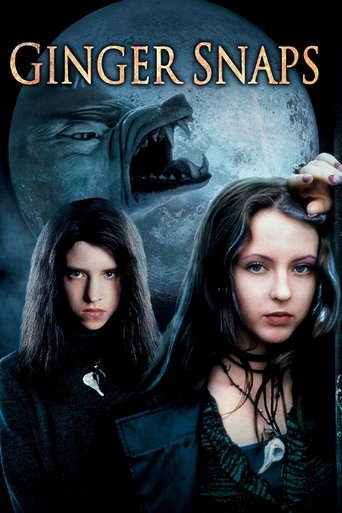
EXCLUSIVE: With Ginger Snaps finally on 4K via Lionsgate’s Vestron Video Collector’s Series as of May 19, I sat down with director John Fawcett and stars Emily Perkins and Katharine Isabelle to unpack the legacy of this iconic horror franchise.
It’s impossible to talk about the legacy of Ginger Snaps without touching on its future, and for fans, including the long-rumored television adaptation. Thankfully, the director and stars had some exciting insights and opinions to share about the show.
The project first surfaced in October 2020, when Deadline reported that Killing Eve producers Sid Gentle Films had partnered with original producers Copperheart Entertainment to develop a series, with Fawcett attached as executive producer and Anna-Maria Ssemuyaba set to write. Five and a half years later, there’s still no series order. Fawcett, however, tells us it’s far from dead.
“That is still very much a hot topic right now,” he told me. “It’s a passion project of mine… it’s a work in progress, but it’s been a long and winding road. There is some heat and some creative minds working on this as we speak.”
Would the original cast return? “A combination of both,” Isabelle said. “There’s definitely more to be mined out of this story, out of the relationship of the girls.”
“I would love to see where the story goes,” Perkins said. “Would we be talking about, I don’t know, their kids or…” she paused, possibly remembering the fates of the characters. “Well, they don’t have kids. Wait a second, that’s not really possible.”