Matt Konopka looks at the ‘Evil Dead’ franchise and why more should follow the formula that’s keeping it going strong.
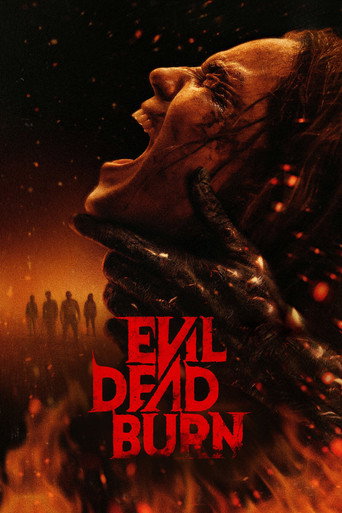
Listen up, you primative screwheads; until we’re a few weeks past the release and you all have grown tired of me saying it, I’m going to keep reiterating this…Evil Dead Burn rips. The film continues the long tradition of Evil Dead movies when it comes to excess, loading up on violence and gore that’s all but guaranteed to have the audience lose their minds. It’s a movie that rages like the fires of Hell on its way to becoming the most brutal and vicious Evil Dead yet. Like a chainsaw with a fresh tank of gas, it revs up with a scream from minute one and never lets up. Yeah, it’s that groovy (sorry, not sorry).
I left my screening of Sébastien Vaniček’s sequel with the sort of giddy energy I’ve had walking out of each of the last few Evil Dead movies. Recently, I wrote about my experience watching Fede Alvarez’s 2013 take on the franchise the weekend it hit theaters. Nerves tense as I wondered if anyone could take the reins from franchise creator Sam Raimi. And the relief I felt knowing the series had found a new way forward. The Necronomicon would not be shut. If the last three films have proved anything, it’s that Evil Dead is here to stay for the foreseeable future.
That’s not a feeling I get out of every franchise movie. In fact, it’s one I rarely find myself experiencing these days.
Shortly after seeing Evil Dead Burn, I found myself sitting down for another movie I had high hopes for…Supergirl. See, I’m a massive fan ofJames Gunn. Have been ever since I first laid eyes on his disgusting debut creature feature, Slither. The filmmaker hasn’t delved much into horror since then, but I’ve admired his takes on superhero movies. Super went completely against the grain of what was being released at the time, delivering a bloody, complex, not-at-all-for-kids take on the subgenre. His Guardians of the Galaxy movies, , and have all stood out with Gunn’s penchant for the weird coursing through their veins. His movies don’t tend to feel like products of the Marvel or DC machine. They live on their own, even if they are part of a system intent on churning as many of these things out as possible.
When it was announced that Gunn would become Co-CEO of DC Studios and take over creative reins, I was ecstatic. DC had put out a great film now and then, but largely, they had quite a few more misses than hits. Finally, someone had stepped up whom I trusted to run a ship where each film would have its own flavor specific to the filmmaker.
Which brings us to Supergirl.
By now, many of you have probably heard the rumors of Gunn butting heads with director Craig Gillespie. Maybe you’ve read that he insisted on certain needle drops. True or not, Supergirl was a disappointment. I’m not here to rag on a film that had me excited because it marked the all-too-rare occasion of a woman leading a massive superhero movie. The trades and basement-dwelling Chuds have done plenty of that. What I want to focus on is the fact that, whatever the reasons, Supergirl felt like James Gunn-lite. That’s a problem that many of these tentpole franchises can’t seem to get away from…and why they need to start looking to what Sam Raimi has done with Evil Dead for a solution.
I’m sure many of you are going to disagree with me. That’s fine. I’m an adult. I can take it. But my issues with many of the big franchise films these days (outside of certain exceptions) come from the fact that they do very little to separate themselves from one another. Each feels a lot like the last, just with different stories and characters. That’s intentional, with the studios wanting those films to all “fit” into the same universe. Every once in a while, you get a Thor: Ragnarok, boosted by Taika Waititi’s style and bombastic, Flash Gordon-esque approach. Most tend to deliver the same old thing, though.
Not sure what I’m getting at yet? Take a look at the Friday the 13th franchise, for example. Friday the 13th Part 2 is loaded with Giallo elements. Friday VI incorporates Universal monster vibes with entertaining splashes of comedy. Jason Goes to Hell becomes a body-snatcher movie. All are similar in terms of plot (hockey-masked killer stalks teens), yet each tends to have its own unique flair. Deliver kills, gore, sex, and drugs, and do your own thing after that. Obviously, that’s a simplified version of the production process, but you get the tip of the machete point.
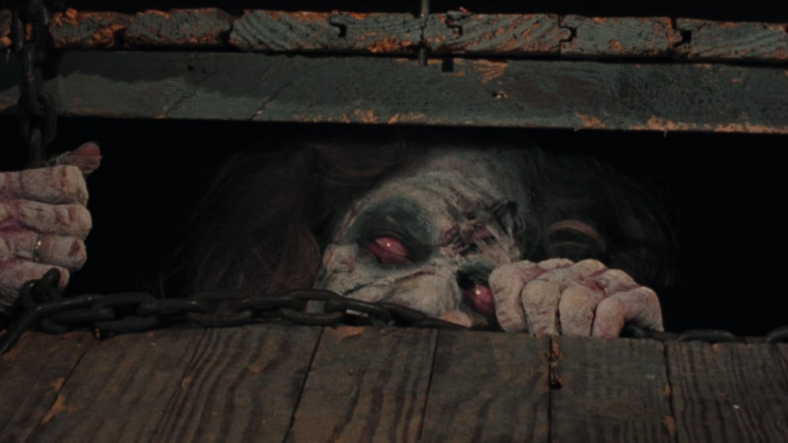
Issues with these tentpole franchises and executives stepping in—as was the case with Supergirl—are well documented. Know what I haven’t heard, though? Rumors that Sam Raimi or Rob Tapert put restraints on the filmmakers they’ve hired for Evil Dead. That doesn’t mean it hasn’t happened. Maybe they do chain these guys up like Cheryl in that first film’s basement. But if they do, I haven’t heard about it. And that’s the key to the success of these films.
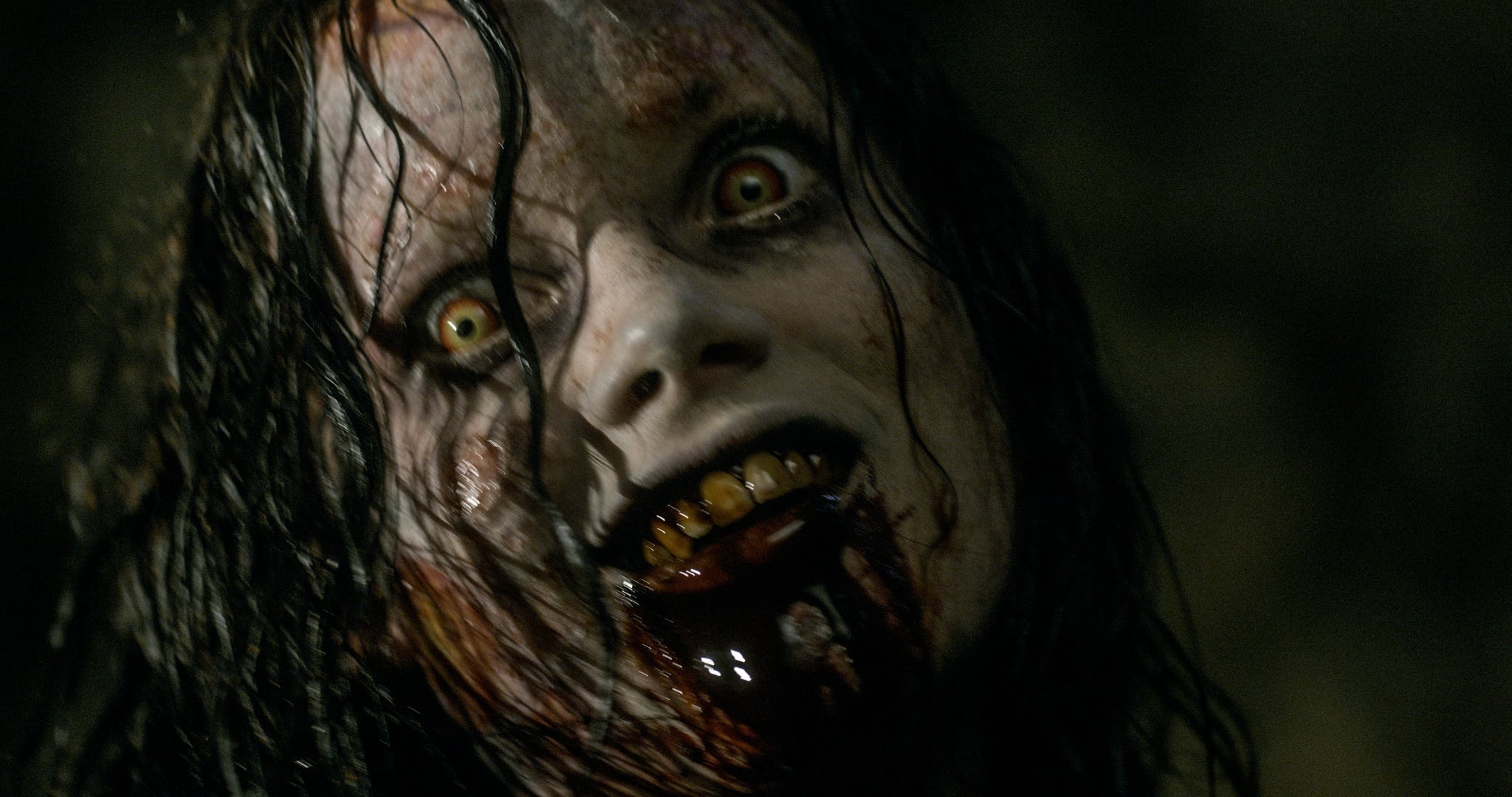
Take a look at Fede Alvarez’s Evil Dead. Upon release, some fans complained that it didn’t feel like an Evil Dead movie. But that’s the thing…it was never going to. Not exactly. Because just like there’s only one James Gunn, there’s only one Sam Raimi. You can try to replicate his style all you want, but it’ll always be nothing more than a copycat version. Raimi understood that. So, instead of demanding Alvarez do Evil Dead just like he did thirty years prior, they went a route more befitting of Alvarez’s grindhouse nature. Gone was the comedy. In was the brutal effects played for shocks over laughs. It was grittier, nastier, meaner. Most importantly, it came off as Alvarez’s film rather than Raimi’s. That matters.
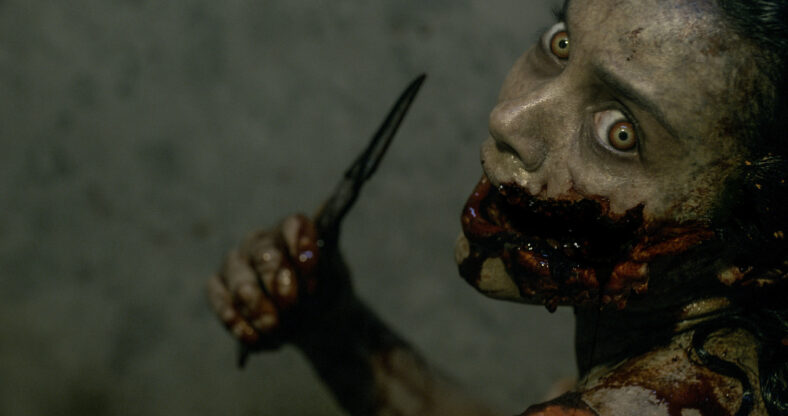
The same goes for Evil Dead Rise. As was the case with Alvarez, Raimi and Tapert snatched up a young filmmaker in Lee Cronin and handed him the keys to the franchise. And, once again, Cronin delivered a take that fit within what had been set forth by Alvarez, but with his own spin. Whereas Alvarez’s Evil Dead oozes old-school grindhouse, Rise feels more like an 80s Italian flick in the vein of Demons or Fulci’s The Beyond. A wild, over-the-top gorefest with a punk rock energy. Every time I watch it, I expect to hear a Goblin score rise at any moment. Alas, it never does.
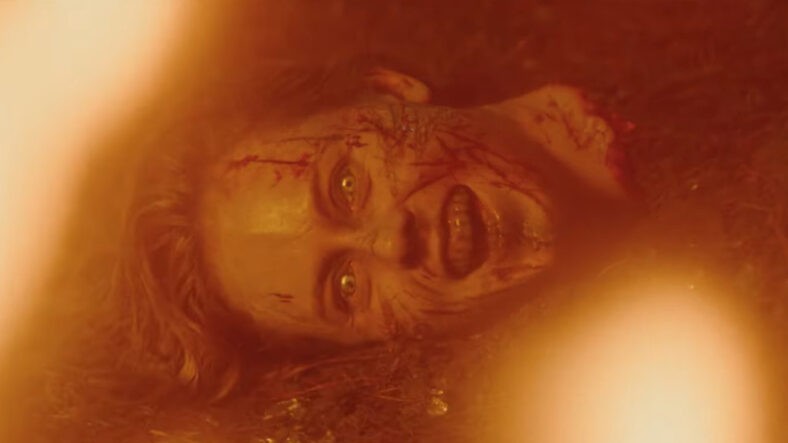
And then there’s Evil Dead Burn. Sébastien Vaniček’s sequel exists in the same realm as the previous two films, opting for plenty of gore and excess—as is required with the franchise—but with his own stylish vision. What most excited me about Vaniček’s hiring was that hallway scene he unleashed in Infested. It displayed a filmmaker with an excellent grasp of tension and the ability to build that suspense through innovative camera techniques. He brought that to Burn, perhaps best displayed in one of the most intense scenes in the whole franchise, a single take where pandemonium explodes around star Souheila Yacoub as she desperately tries to crawl away. Burn also goes big on the bloodshed, but with the hard-hitting, brutal punch of something like Green Room.
Yes, these last three films share plenty in common. Yet none feel exactly like the other. Rather than hire young filmmakers they intend to control, Raimi and Tapert have brought on exciting new talents because they’re exciting. They say, ” Here’s the keys to the Evil Dead playground, kid, so go play.” I do not doubt that Raimi and Tapert do a little handholding. In fact, I’m positive they do. Not once, though, have I ever felt like they forced Alvarez, Cronin, or Vaniček into doing it exactly their way.
I don’t necessarily believe in things like “superhero fatigue”. Superhero movies will always have an audience. But I do believe fans are tired of franchises that don’t take creative risks or allow the filmmakers they’ve hired to do their damn job. I do believe this has shifted a bit with these movies as of late, but that shift hasn’t been strong enough just yet.
That’s not a problem with Evil Dead. Raimi and Tapert bring these filmmakers on because they each offer something different. Something special. Allowing a variety of visions to play in a franchise is what keeps it fresh and exciting. Put too many restrictions on a filmmaker, though, and, well, I start to question what the point of even hiring them in the first place was if they’re not to be trusted.
More tentpole franchises should take a page out of Evil Dead’s book—no, not that one!—and allow filmmakers to play. To do otherwise risks being dead by dawn.
Evil Dead Burn is now raging in theaters via Warner Bros.