‘Posthumous’ Review: Analog Horror Rewinds Horror’s Past for Better (or Worse) [Brooklyn Horror Fest]
‘Posthumous’ is plenty scary, but Josh Tanner’s analog horror tale is too familiar to register beyond immediate jolts.

A particular brand of supernatural horror post-Insidious succeeds largely on how scary you find loud noises and spooky, distorted faces. James Wan pioneered the contemporary scary face (or as Variety critic Owen Gleiberman calls it, simply ‘the face’) way back with Billy the Puppet in 2004, and since then, oodles of supernatural horror tales have endeavored to cash in on a scary face of their own. Josh Tanner’s Posthumous has a really scary face, but it’s constrained by the trappings of a haunted house you’ve seen not once, not twice, but as many times as you’d like (read: a lot).
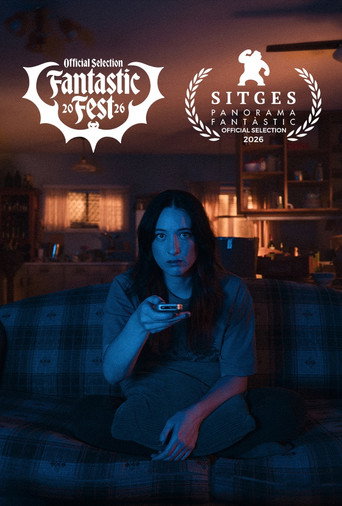
Zoe (Sophie Lowe) crashes at her dad’s place late on her birthday after a fight with her boyfriend, Alex (Remy Hii). Dad’s already zonked for the evening, so she has the most maudlin celebration imaginable: rewatching old VHS tapes of her deceased mother, one for every year. Mom (Kira-Che Heelan) passed away at Zoe’s birth following a cancer diagnosis, though she was certain to record tapes for her daughter, all the way from first birthday into Zoe’s thirties.
It’s here that Tanner (and co-writer Jade Van Der Lei) imbue the contemporary phenomenon of analog horror with Insidious-lite scare tactics. There are plenty of jarring images interspersed throughout the tapes, and Zoe’s grief leads her to interrogate her mother’s death as film reels point toward a larger, more sinister conspiracy at play. Answers aren’t easy to come by, either, since Zoe’s dad, Neil (David Roberts), leans hard into the tropes of the genre, otherwise refusing to validate or even acknowledge Zoe’s curiosity. Everything is fine… until it isn’t.
Zoe’s insistence on unraveling a mystery (anything to avoid responsibility in her own life, a poignant theme that the team gives earnest weight to) leads her to all kinds of supernatural mumbo-jumbo including, but not limited to: her mother’s specter, eldritch entities, architectural horror, Spirit Halloween witchy stuff, and more. Tanner manages the slow drip of tension successfully enough in the more patient, atmospheric first half, but soon, the burnt-out VHS tapes are analogous to audience interest.